Skip to content

Search

Exploring the Experience of Seeking an Autism Diagnosis as an Adult

Emerging research suggests that seeking an autism diagnosis as an adult is usually difficult and time-consuming but brings relief once a diagnosis is made. This study explored the experience of the pathway to an autism diagnosis during adulthood for adults living in Australia.

Caregiver Psychological Distress Predicts Temperament and Social-Emotional Outcomes in Infants with Autism Traits

Child temperament and caregiver psychological distress have been independently associated with social-emotional difficulties among individuals with autism. However, the interrelationship among these risk factors has rarely been investigated.

Occurrence of psychosis and bipolar disorder in adults with autism: A systematic review and meta-analysis

Evidence suggests that individuals with autism spectrum disorder have increased rates of co-occurring psychosis and/or bipolar disorder. Considering the peak age of onset for psychosis and bipolar disorder occurs in adulthood, we investigated the co-occurrence of these disorders in adults with autism.

Developmental Vitamin D Deficiency in Pregnant Rats Does Not Induce Preeclampsia

Preeclampsia is a pregnancy disorder characterized by hypertension. Epidemiological studies have associated preeclampsia with an increased risk of neurodevelopmental disorders in offspring, such as autism and schizophrenia. Preeclampsia has also been linked with maternal vitamin D deficiency, another candidate risk factor also associated with autism.

Potential role for immune-related genes in autism spectrum disorders: Evidence from genome-wide association meta-analysis of autistic traits

Autism spectrum disorders are complex, with a strong genetic basis. Genetic research in autism spectrum disorders is limited by the fact that these disorders are largely heterogeneous so that patients are variable in their clinical presentations. To address this limitation, we investigated the genetics of individual dimensions of the autism spectrum disorder phenotypes, or autistic-like traits. These autistic-like traits are continuous variations in autistic behaviours that occur in the general population.

Launch of National Autism Guideline

Researchers from The Kids Research Institute Australia, working with the Autism CRC, have led the development of the National Guideline for the Assessment and Diagnosis of Autism Spectrum Disorder in Australia which was launched today.
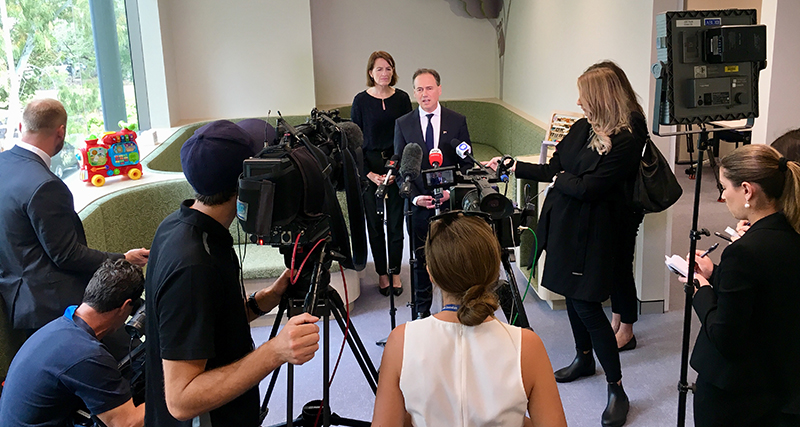
Thinking big to tackle kids’ brain development

If there’s one thing modern researchers and health professionals now understand, it’s that for so many diseases and conditions affecting children and adolescents, early intervention is crucial.

A Survey of Autistic Adults from New Zealand on the Autism Diagnostic Process During Adolescence and Adulthood

The diagnostic experiences of autistic adults in New Zealand have not been investigated and little is known globally about autistic adults' satisfaction with the autism diagnostic process. This study describes the diagnostic experiences of 70 autistic adults living in New Zealand and explores how these experiences are related to satisfaction during three stages of the diagnostic process. The results show that autistic adults were reasonably satisfied with the early query and diagnostic assessment stages, but were dissatisfied with the post-diagnostic support stage, with significant unmet needs. Dissatisfaction during the post-diagnostic support stage was also related to satisfaction during previous stages and poor coordination of supports. Suggestions are made on how to improve the autism diagnostic pathway for autistic adults in New Zealand.

One-of-a-kind autism service offers new hope to families

Western Australian babies and children with autism and developmental delay will be able to access world-first therapies and interventions backed by the latest research, thanks a unique clinical service developed by The Kids Research Institute Australia.
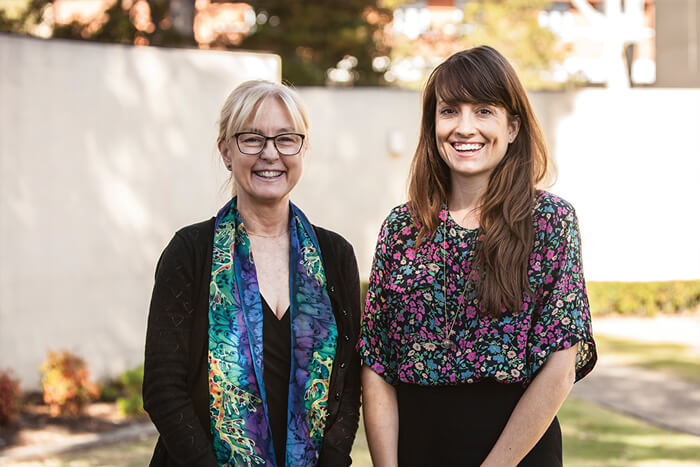
The Kids Research Institute Australia researcher a finalist for 2017 Eureka Prize

Autism researcher, Professor Andrew Whitehouse from The Kids has been named a finalist in the Eureka Prize for Emerging Leader in Science