
Search
André Schultz MBChB, PhD, FRACP Head, BREATH Team Head, BREATH Team Prof André Schultz is the Head, BREATH Team at The Kids Research Institute
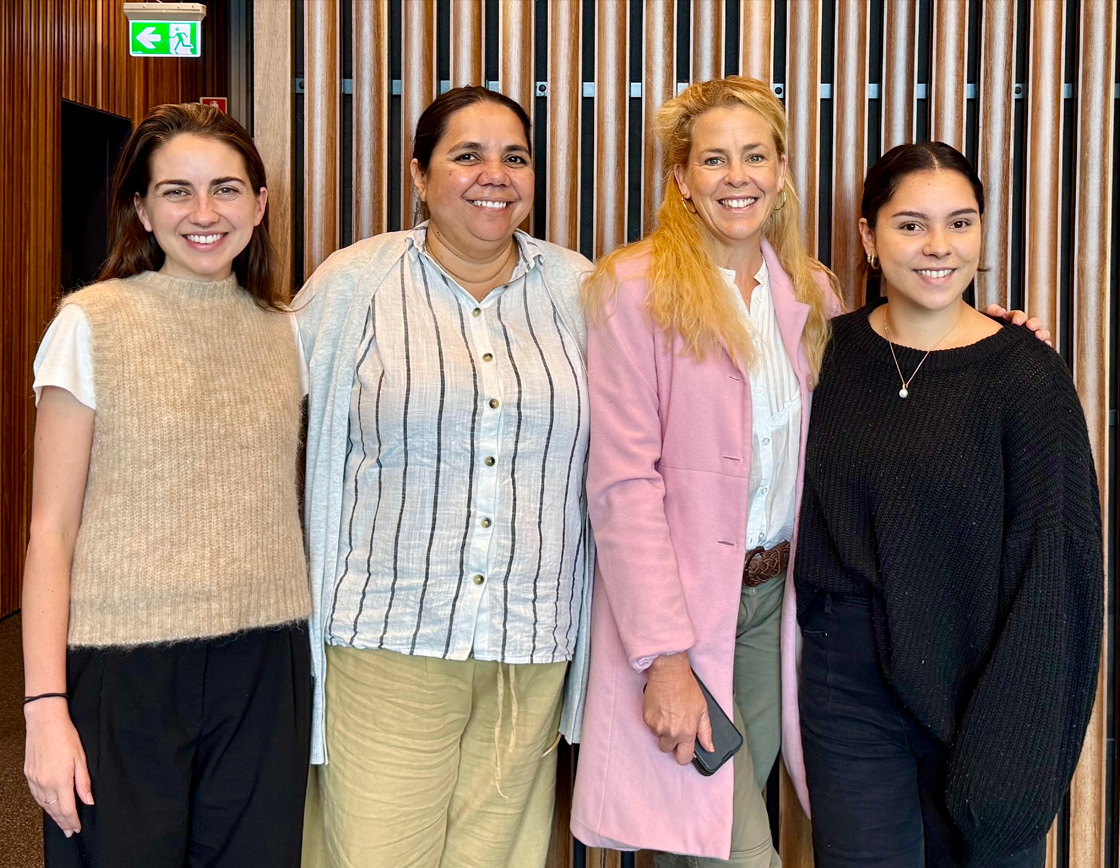
Inviting expressions of interest for the INSPIRE Consumer Reference Group (CRG) of WA – a group for the Aboriginal Children’s Excellent (ACE) Lung Health studies.
This project aims to determine the prevalence of chronic wet cough, PBB and middle ear disease in Aboriginal children in Aboriginal communities in the Kimberley.
Antisense oligonucleotides are an emerging therapeutic option to treat diseases with known genetic origin. In the age of personalised medicines, antisense oligonucleotides can sometimes be designed to target and bypass or overcome a patient's genetic mutation, in particular those lesions that compromise normal pre-mRNA processing. Antisense oligonucleotides can alter gene expression through a variety of mechanisms as determined by the chemistry and antisense oligomer design.
Scedosporium species are filamentous fungi with inherent broad antifungal resistance that pose opportunistic infection threats. We present draft genome assemblies of S. aurantiacum (11 contigs) and S. apiospermum (9 contigs), derived from Oxford Nanopore sequencing of one Australian clinical isolate each.
Citation: Arishi AA, Holland DC, Bracegirdle J, …… Garratt LW, Mantjani L, Moggach SA, et al. Genome-Guided Discovery and Heterologous Biosynthesis
To identify the barriers and facilitators for timely detection and optimal management of otitis media in Aboriginal children in a primary care setting from the perspective of Health Care Providers
Asthma remission has emerged as a potential therapeutic goal. However, definitions of remission have primarily focused on adult populations, with limited consensus on how remission should be defined in children.
Tracheobronchomalacia (TBM) is characterised by abnormal collapsibility of the trachea and bronchi, often seen in children with cystic fibrosis (CF). This study aims to determine the impact of TBM on hospital admissions in young children with CF.
André Schultz MBChB, PhD, FRACP Head, BREATH Team Head, BREATH Team Prof André Schultz is the Head, BREATH Team at The Kids Research Institute