
Search
Ensuring that Aboriginal and Torres Strait Islander children removed from their families by child protection services remain connected to their kin, Country and culture is a priority to begin to redress the intergenerational trauma and harm caused by colonisation. This article describes the views of staff working in three mainstream out-of-home care organisations, where children are cared for by non-Indigenous foster carers.
Despite increasing urbanisation, little is known about skin health for urban-living Aboriginal children and young people (CYP, aged <18 years). This study aimed to investigate the primary care burden and clinical characteristics of skin conditions in this cohort.
Community Elders in Boorloo (Perth) identified early childhood education (ECE) as a priority area for Aboriginal children’s research. This is due to a lower number of Aboriginal children attending ECE programs compared to non-Aboriginal children. Attending ECE programs sets children up for school success and is an indicator for positive life outcomes in later life. Therefore, we sought to co-design and implement a program that encourages Aboriginal children and families to attend ECE programs, known as Moort Dandjoo Kaadadjiny.
Skin concerns are frequent among urban-living Aboriginal children, yet specialist dermatology consultations are limited with studies highlighting the need for improved cultural security. Through newly established paediatric dermatology clinics at two urban Aboriginal Community Controlled Health Organisations (ACCHOs), we aimed to describe clinic and patient data, including disease frequencies and associations, to inform dermatology service provision and advocacy.
Australia does not have a national strategy for Aboriginal and Torres Strait Islander adolescent health and as a result, policy and programming actions are fragmented and may not be responsive to needs. Efforts to date have also rarely engaged Aboriginal and Torres Strait Islander people in co-designing solutions. The Roadmap Project aims to work in partnership with young people to define priority areas of health and well-being need and establish the corresponding developmentally appropriate, evidence-based actions.
This article explores how relational approaches to policymaking across multiple levels and sectors of society might enable transformative climate justice. It draws on a unique case study from the state of Western Australia, where climate justice is thwarted by the coloniality of climate politics and the hegemony of the fossil fuel industry.
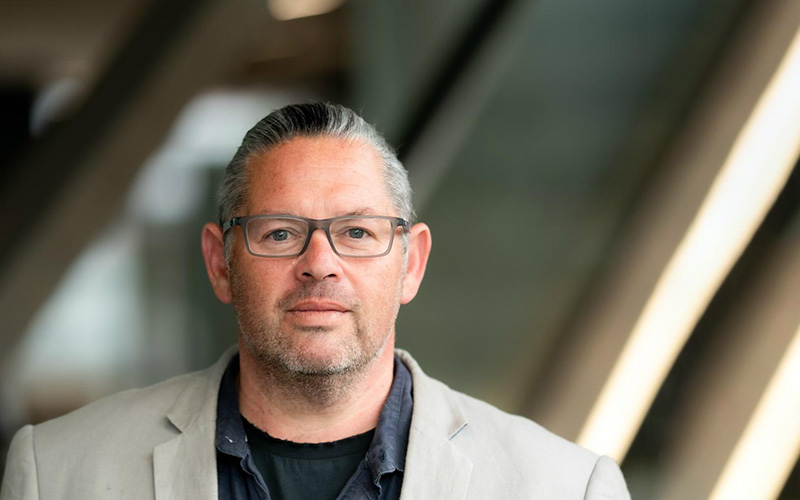
The Kids Research Institute Australia and Australian National University Professor of Indigenous Genomics, Professor Alex Brown, has become the first Indigenous member of the Commonwealth Scientific and Industrial Research Organisation (CSIRO) Board.
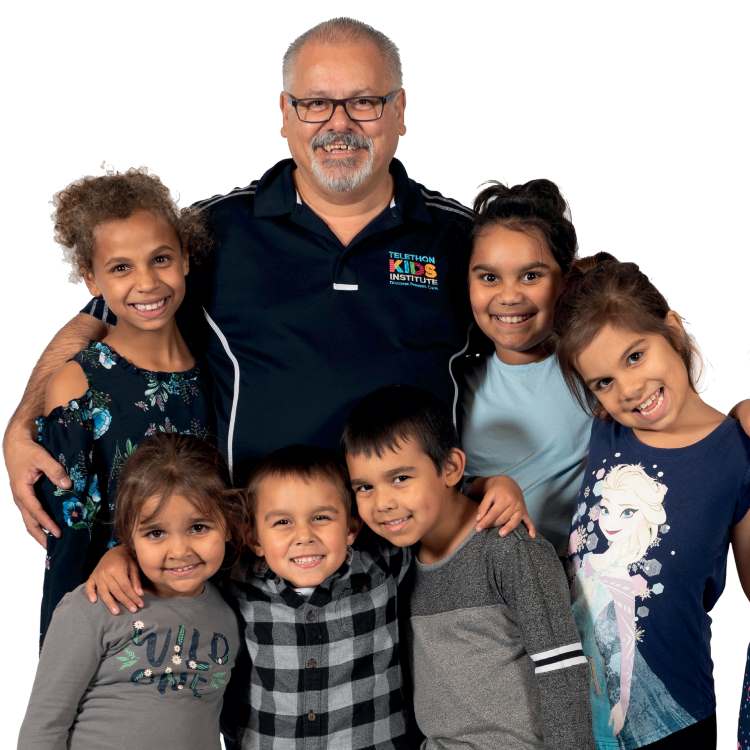
Led by nine Elders, the Ngulluk Koolunga Ngulluk Koort Project is working to generate a better understanding of early childhood development from an Aboriginal/Nyoongar perspective.
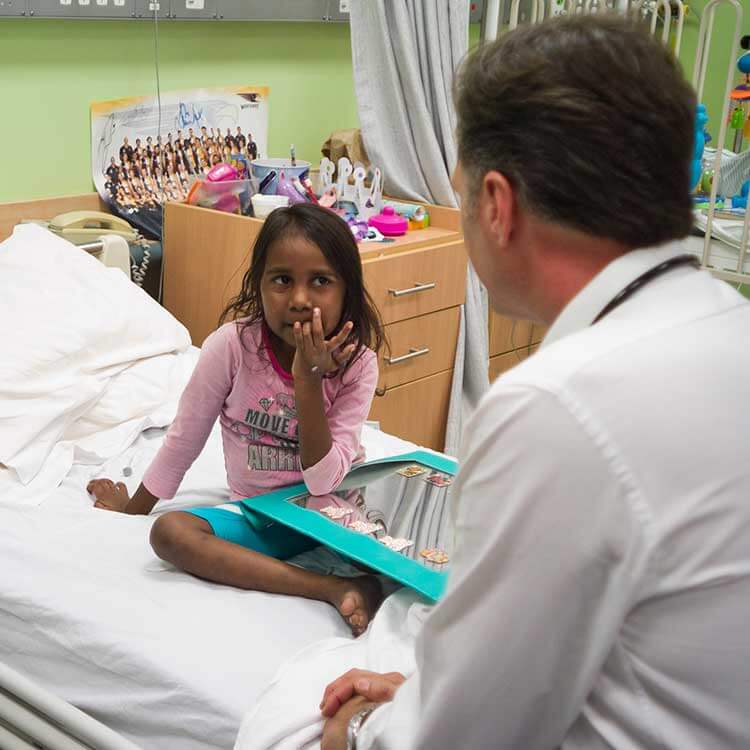
Some of the nation’s leading medical researchers will converge on Darwin this week to step out a plan to wipe out rheumatic heart disease.
Carrington Shepherd PhD Honorary Research Associate Honorary Research Associate Areas of research expertise: Population health; Aboriginal and Torres