
Search
Yasmin Harman-Smith BA, BHlthSc(Hons), MTeach(Primary), PhD Head, Early Years Systems Evidence Yasmin.harman-smith@thekids.org.au Head, Early Years
Evaluating Early Childhood Education and Care
This project provides guidance to help school leaders review the evidence for different programs, as well as a review of universal, evidence-based pre-school and school-based social and emotional learning programs available in Australia.
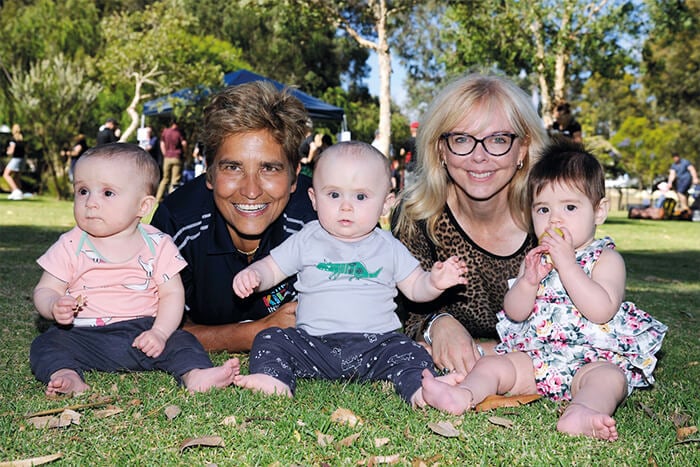
A collaboration between The Kids Research Institute Australia and Joondalup Health Campus is poised to be a game-changer for early childhood development.
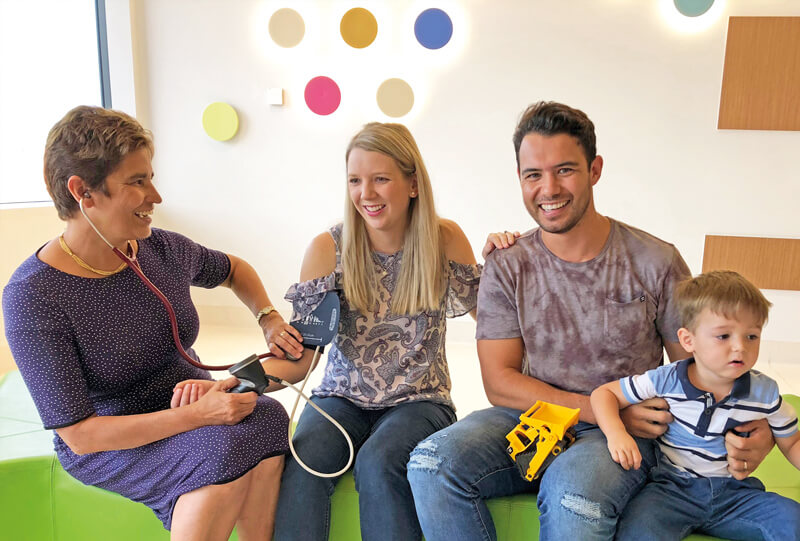
A Quinns Rocks family who became the 1000th family to sign up for the ORIGINS Project is excited to be contributing to such ground-breaking research.
The Early Human Capability Index is a holistic measure intended to capture early child development across diverse cultures and contexts.
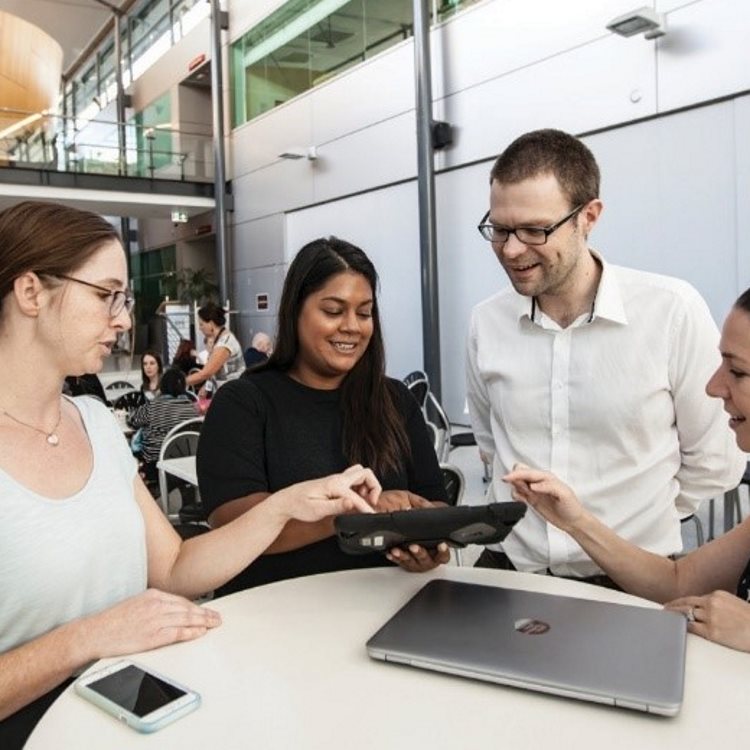
Researchers at The Kids are harnessing the power of apps and other online tools to ensure the results of their research reach those who need it most – children, young people and families.
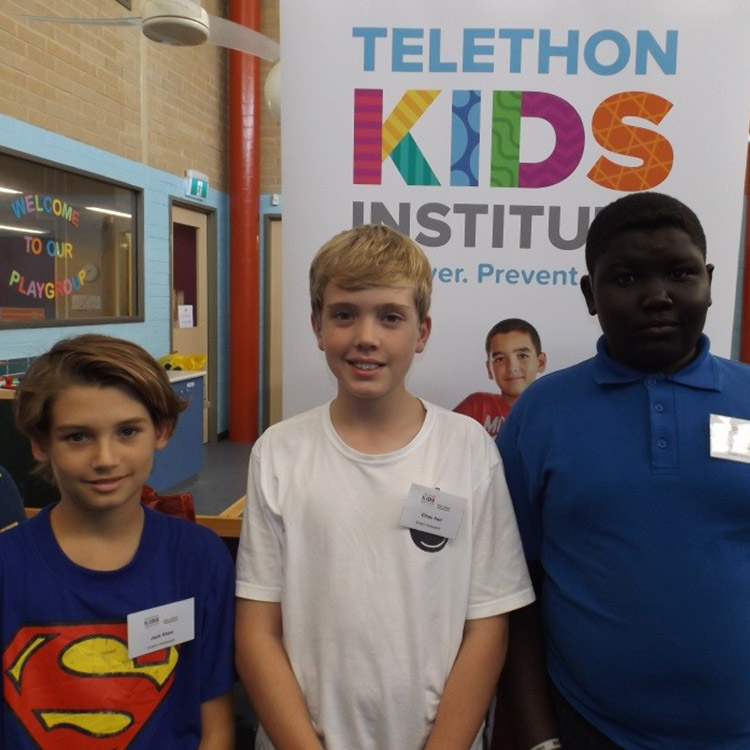
Ethan recently took part in Belong, a study led by The Kids which aims to ensure deaf and hard of hearing kids have a happy & positive school experience
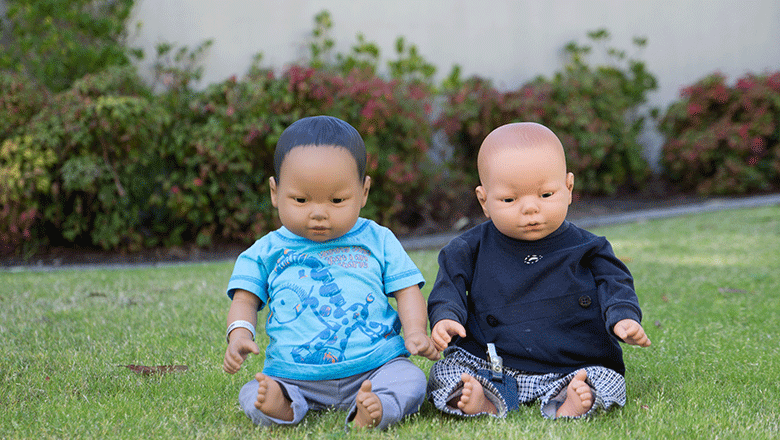
A The Kids Research Institute Australia study has found a popular education programme where teenagers care for a "robot" baby fails to reduce teen pregnancy, and could in fac
Mary Brushe BPsych(Hons), PhD (Public Health) Senior Research Officer, Epidemiology mary.brushe@thekids.org.au Senior Research Officer, Epidemiology