Search
Wastewater-based epidemiology (WBE) has emerged as a key method for the continuous monitoring of COVID-19 prevalence including circulating SARS-CoV-2 lineages. WBE addresses the limitations of traditional clinical COVID-19 surveillance such as clinical test availability, fluctuating testing rates, and increased reliance on rapid antigen tests.
Respiratory syncytial virus (RSV) is a leading cause of acute lower respiratory tract infection in young children and the second leading cause of infant death worldwide. While global circulation has been extensively studied for respiratory viruses such as seasonal influenza, and more recently also in great detail for SARS-CoV-2, a lack of global multi-annual sampling of complete RSV genomes limits our understanding of RSV molecular epidemiology.
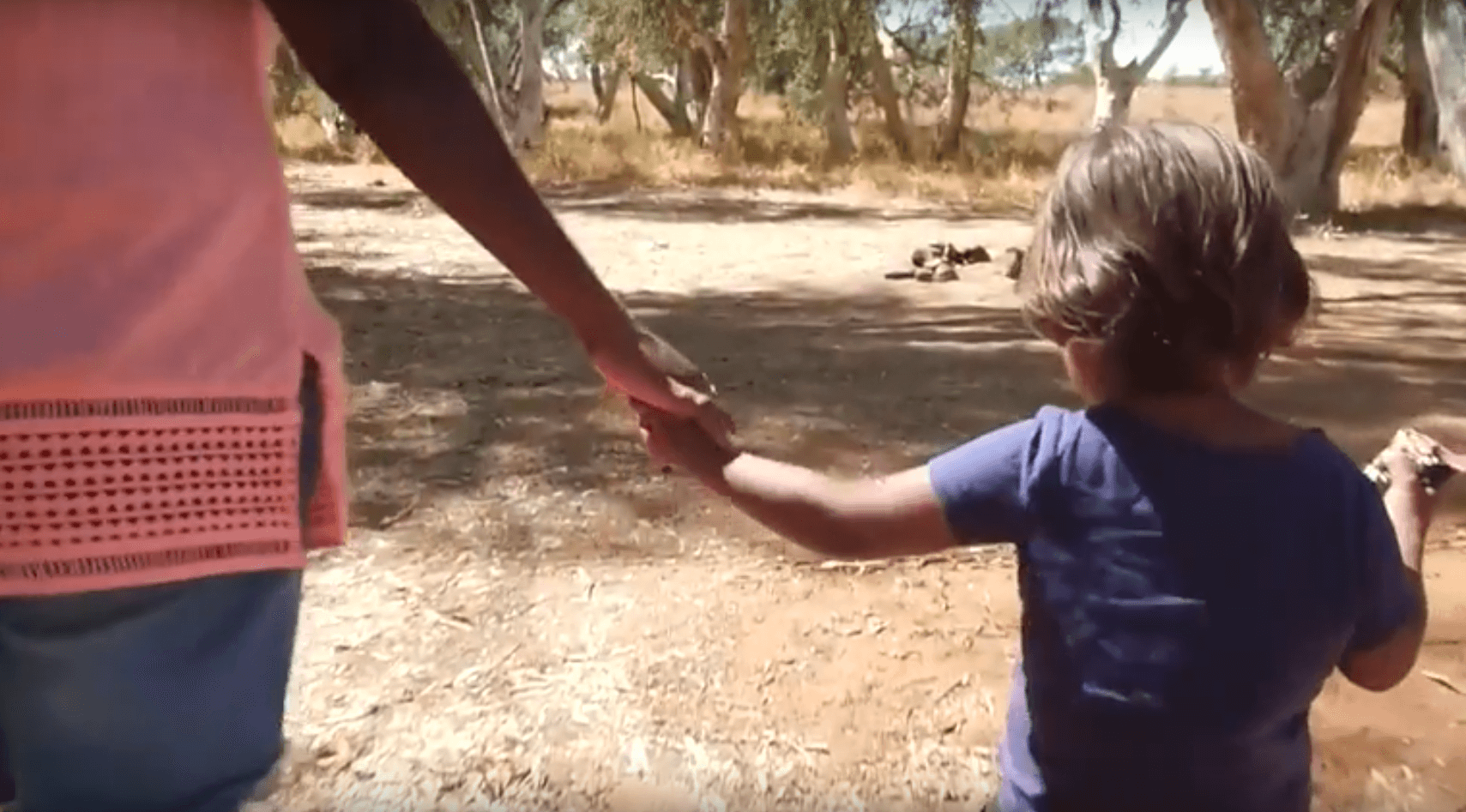
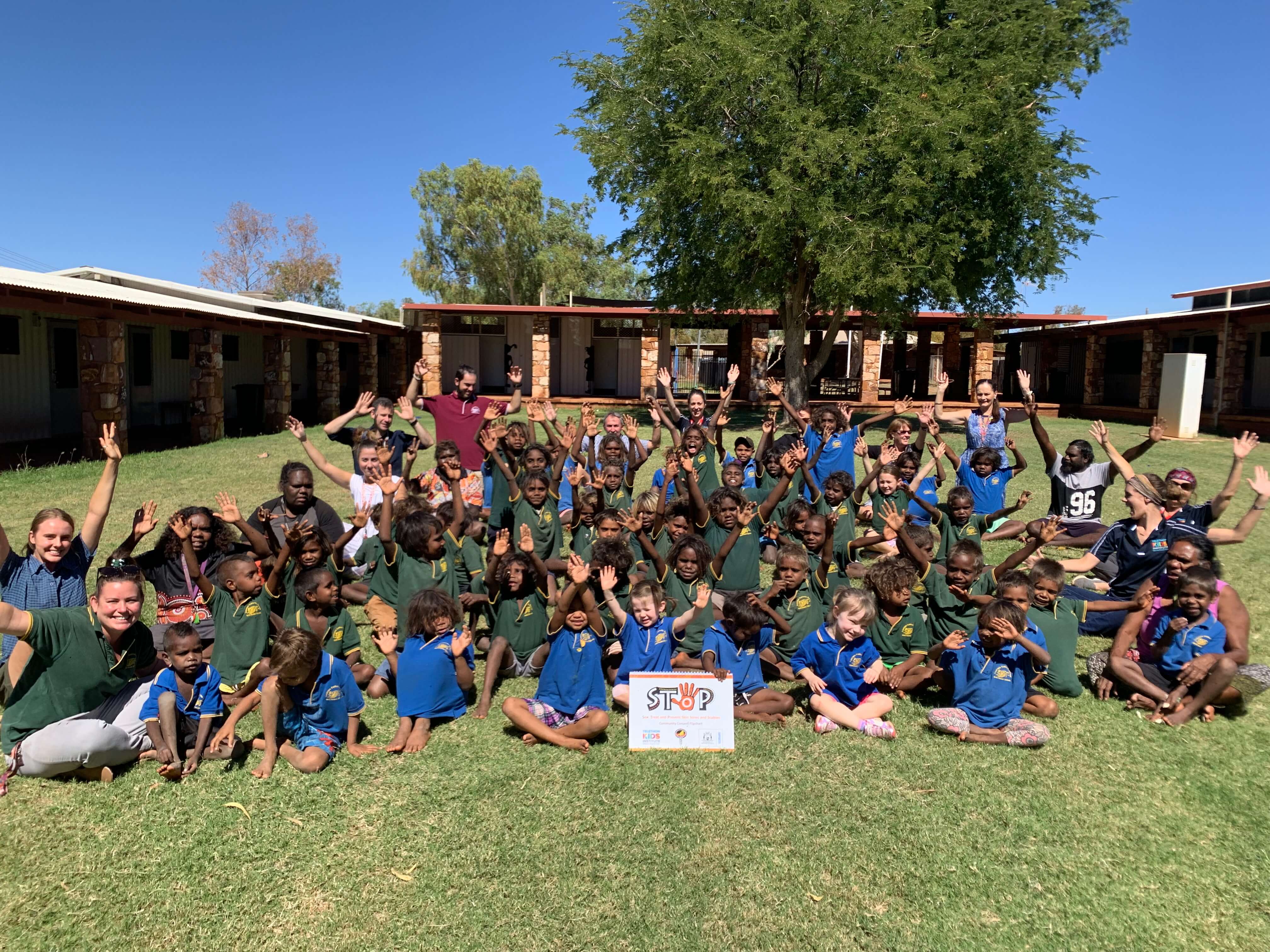
In partnership with local Aboriginal Community Controlled Health Organisations, the Elder-led co-designed Koolungar Moorditj Healthy Skin project is guided by principles of reciprocity, capacity building, respect, and community involvement. Through this work, the team of Elders, community members, clinicians and research staff have gained insight into the skin health needs of urban-living Aboriginal koolungar (children); and having identified a lack of targeted and culturally appropriate health literacy and health promotion resources on moorditj (strong) skin, prioritised development of community-created healthy skin resources.
Improving our understanding of superficial Streptococcus pyogenes (Strep A) carriage and transmission necessitates robust sampling methods. Here, we compared the effect of storing swab samples in fridge (+4°C) and freezer (-20°C) conditions on the recovery of laboratory-cultured S. pyogenes.
PICOBOO is a randomised, adaptive trial evaluating the immunogenicity, reactogenicity, and safety of COVID-19 booster strategies. Here, we present data for second boosters among individuals aged 18-<50 and 50-<70 years old primed with BNT162b2 until Day (D) 84.
From 1 January 2020 to 31 December 2021, thirty-eight institutions across Australia submitted data to the Australian Group on Antimicrobial Resistance (AGAR) from patients aged < 18 years (AGAR-Kids). Over the two years, 1,679 isolates were reported from 1,611 patients. This AGAR-Kids report aims to describe the population of children and adolescents with bacteraemia reported to AGAR and the proportion of resistant isolates.
There is limited but consistent evidence that suggests prenatal factors, including maternal stress, may contribute to susceptibility for otitis media. We aimed to determine the effect of multiple life stress events during pregnancy on risk of acute and recurrent otitis media in offspring at three and five years of age.
Streptococcus pneumoniae is a leading cause of pneumonia and meningitis worldwide. Many different serotypes co-circulate endemically in any one location. The extent and mechanisms of spread and vaccine-driven changes in fitness and antimicrobial resistance remain largely unquantified.
The incidence of respiratory syncytial virus (RSV) in adults is inadequately defined and the impact of SARS-CoV-2-related non-pharmaceutical interventions (NPIs) is underexplored. Using laboratory data, we described the detection rate of RSV in adults ≥16 years in Western Australia (WA) between 2017 and 2023.
Pneumonia is the leading cause of death in young children globally and is prevalent in the Papua New Guinea highlands. We investigated clinical predictors of hypoxic pneumonia to inform local treatment guidelines in this resource-limited setting.