
Search
Young people’s use of mobile phones and access to the Internet has increased dramatically in the last decade, especially among those aged 9–15 years. Young people now rely on information and communication technology for much of their social interaction, which can have both positive and negative effects on their social and emotional well-being. Of particular concern is the extent to which digital technology (DT) provides opportunities for cyberbullying.
Bullying behaviour often increases in late childhood and peaks in early adolescence. While interventions to address bullying behaviour typically encourage students to report bullying incidents to school staff, students are often reluctant to report incidents for fear it will worsen their situation or because they lack confidence in a staff members’ ability to intervene effectively. This study explores school staff responses to student reports of bullying behaviour.
Recognition that schools should be responsive to children who are impacted by adversity and trauma is burgeoning internationally. However, consensus regarding the necessary components of a trauma-informed school is lacking. This research developed expert-informed and internationally relevant best-practice trauma-informed principles for schools.
This project aims to inform harm prevention and minimisation strategies by investigating outcomes and points for early intervention in young people with alcohol-related harm. Researchers will also compare outcomes between Aboriginal and non-Aboriginal youth.
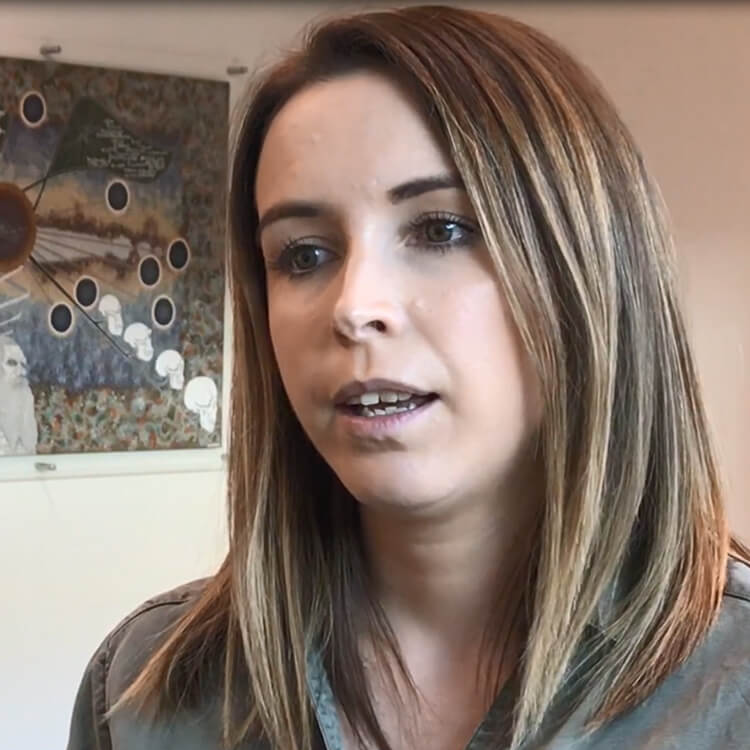
A study by The Kids has found children with a parent who has gone to prison are significantly more likely to have poor development outcomes.
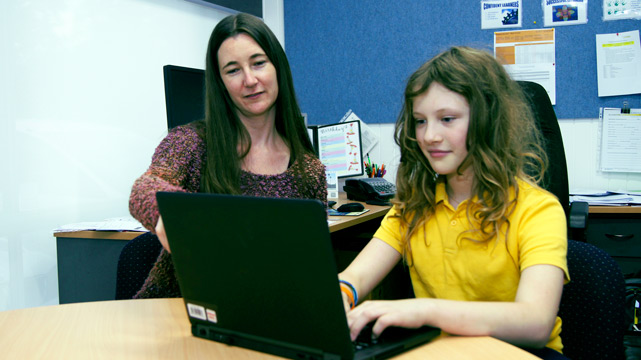
A team of researchers passionate about the social and emotional wellbeing of children have been refining a survey questionnaire.
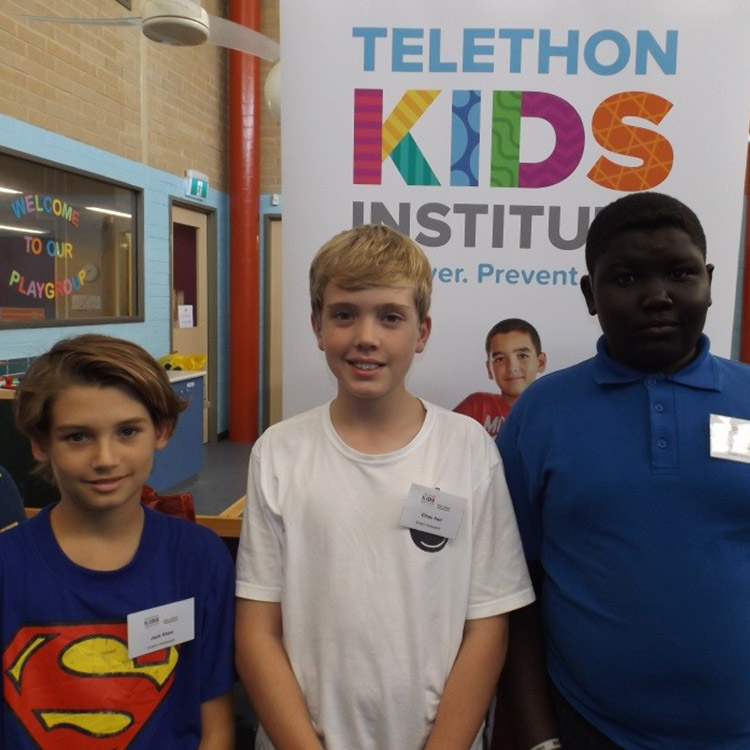
Ethan recently took part in Belong, a study led by The Kids which aims to ensure deaf and hard of hearing kids have a happy & positive school experience
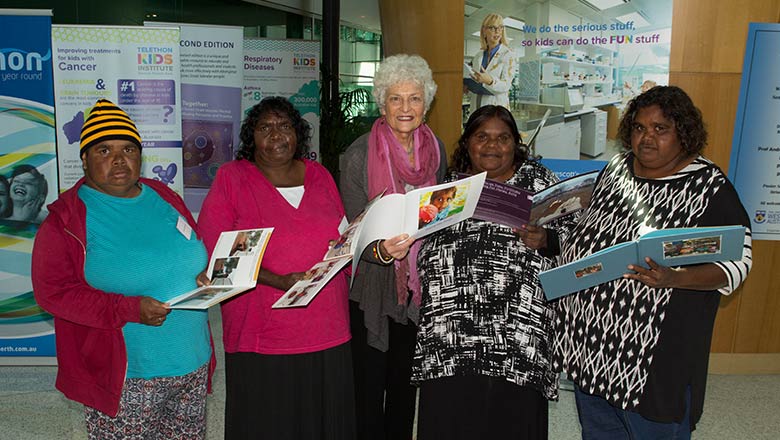
An NHMRC grant to develop a program to improve school outcomes in the Ngaanyatjarra lands has helped create books reflecting Aboriginal experiences.
A recent study from The Kids Research Institute Australia has revealed some interesting facts about just how important those school attendance days are.
o help raise the profile of student wellbeing in the education system in Australia, The Kids Research Institute Australia and SA Department for Education through the Fraser Mustard Centre, set out to adapt and trial a population-level student wellbeing measure that could be used across the entire public and p