Skip to content

Search

The course and prognostic capability of motor difficulties in infants showing early signs of autism

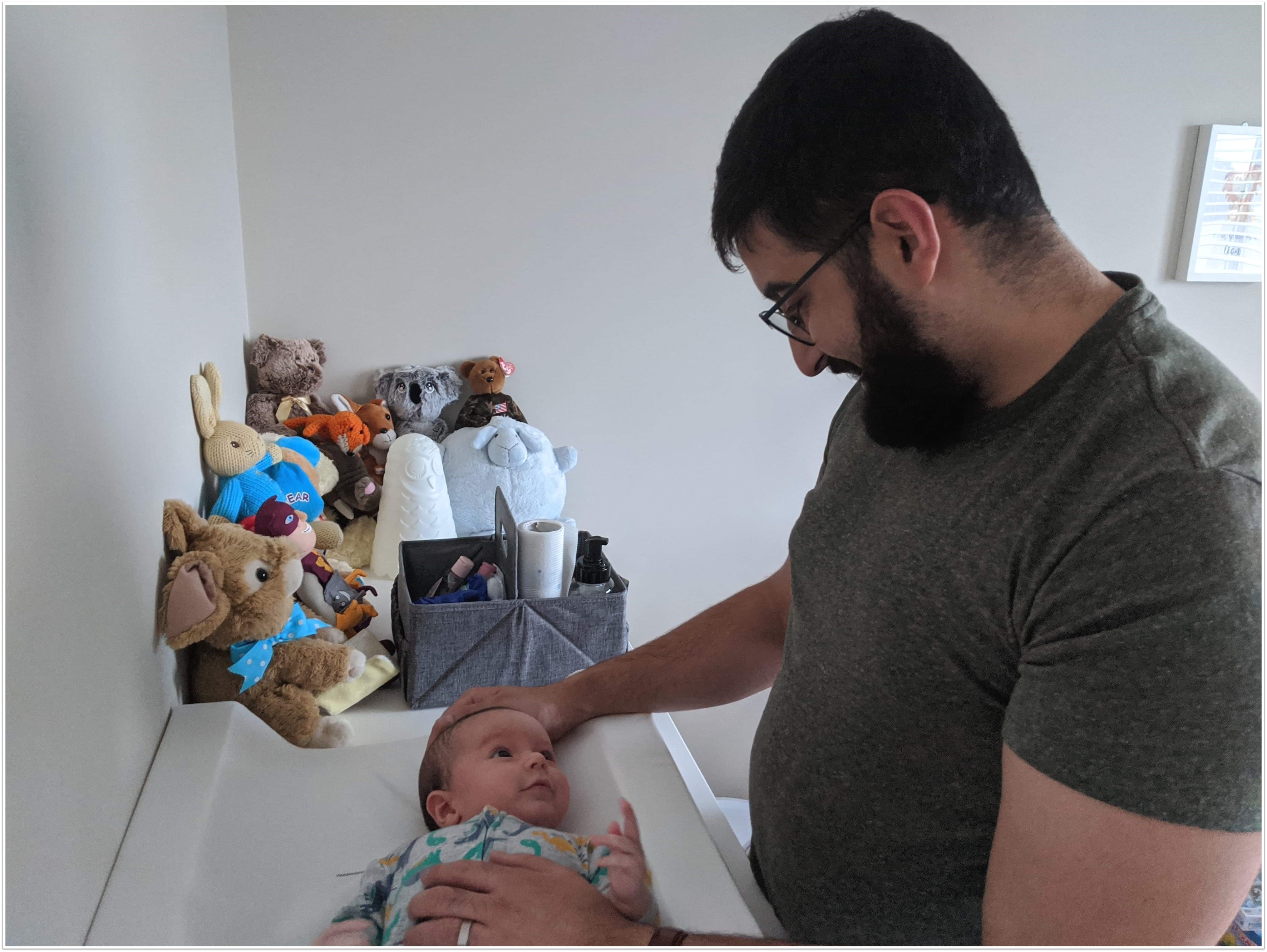
Delays within the motor domain are often overlooked as an early surveillance marker for autism. The present study evaluated motor difficulties and its potential as an early predictive marker for later autism likelihood in a cohort of infants showing early behavioral signs of autism aged 9-14 months. The motor domain was evaluated using the motor subscales of the Mullen Scales of Early Learning at baseline, and at a 6-month follow-up.

Delayed cortical processing of auditory stimuli in children with autism spectrum disorder: A meta-analysis of electrophysiological studies

Several researchers have hypothesised that individuals with Autism Spectrum Disorder (ASD) show encoding delays in their obligatory event-related potentials (ERPs)/ event-related fields (ERFs) for low-level auditory information compared to neurotypical (NT) samples. However, empirical research has yielded varied findings, such as low-level auditory processing in ASD samples being unimpaired, superior, or impaired compared to NT samples. Diverse outcomes have also been reported for studies investigating ASD-NT differences in functional lateralisation of delays.

Performance of the Autism Observation Scale for Infants with community-ascertained infants showing early signs of autism

We investigated whether a commonly used research assessment - the Autism Observation Scale for Infants (AOSI) - accurately measures autism behaviours among infants showing early signs of autism identified within the community. The AOSI is often included in studies tracking the development of infants at increased likelihood of autism, such as the infant siblings of diagnosed children. However, the suitability of this measure has not previously been tested with community-referred infants.

Temperament in individuals with Autism Spectrum Disorder: A systematic review

The study of temperament in Autism Spectrum Disorder (ASD) has the potential to provide insight regarding variability in the onset, nature, and course of both core and co-morbid symptoms. The aim of this systematic review was to integrate existing findings concerning temperament in the context of ASD. Searches of Medline, PsychInfo and Scopus databases identified 64 relevant studies. As a group, children and adolescents with ASD appear to be temperamentally different from both typically developing and other clinical non-ASD groups, characterized by higher negative affectivity, lower surgency, and lower effortful control at a higher-order level.

The unmet clinical needs of children with developmental coordination disorder

The aim of this study was to understand the challenges experienced by families obtaining a diagnosis and therapy for developmental coordination disorder (DCD). Parents of 435 children aged 4-18 years with persistent motor difficulties consistent with a diagnosis of DCD completed an online survey. Diagnostic timeline and diagnostic label/s received were examined, along with therapies accessed.

Assessing functioning for individuals with neurodevelopmental conditions: Current clinical practice in Australia

In the disability sector globally, and specifically in Australia, assessments of functioning have become key to diagnostic processes, and accessing therapy and funding. Over half of all individuals accessing support through Australia's National Disability Insurance Scheme have a neurodevelopmental condition diagnosis.

Toward better characterization of restricted and unusual interests in youth with autism

Despite being highly prevalent among people with autism, restricted and unusual interests remain under-researched and poorly understood. This article confirms that restricted interests are very frequent and varied among children and adolescents with autism. It also further extends current knowledge in this area by characterizing the relationship between the presence, number, and type of restricted interests with chronological age, sex, cognitive functioning, and social and communication symptoms.

CliniKids clinicians rise to the COVID-19 challenge

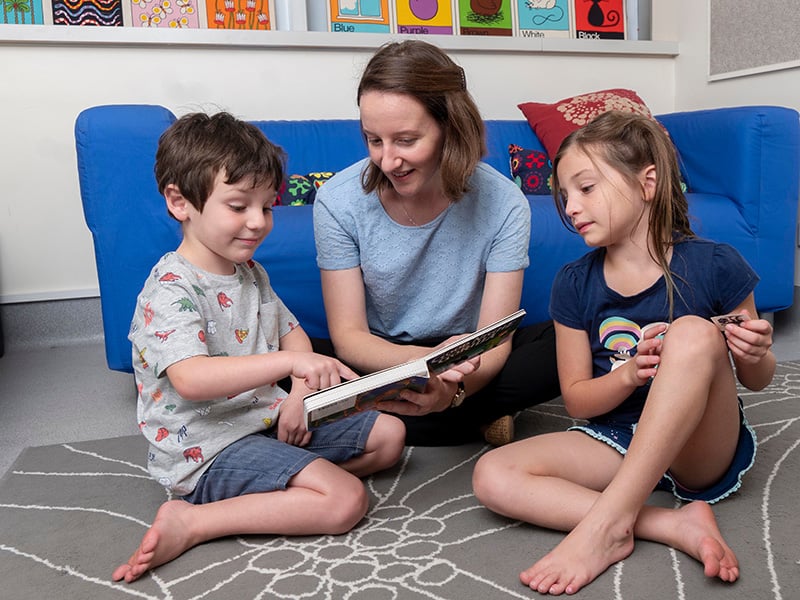
The CliniKids team has reimagined how allied health services for children with autism spectrum disorder or developmental delays are delivered.

Fundraising star: Chloe (11) Bakes for Autism Research

Chloe recently decided to bake cupcakes to sell to her school friends and teachers and it was all for a cause very close to her heart - autism research.

Facial asymmetry in parents of children on the autism spectrum

Greater facial asymmetry has been consistently found in children with autism spectrum disorder (ASD) relative to children without ASD. There is substantial evidence that both facial structure and the recurrence of ASD diagnosis are highly heritable within a nuclear family. Furthermore, sub-clinical levels of autistic-like behavioural characteristics have also been reported in first-degree relatives of individuals with ASD, commonly known as the 'broad autism phenotype'.