
Search

Senior Research Officer
PhD Candidate
Project Coordinator

Research Assistant
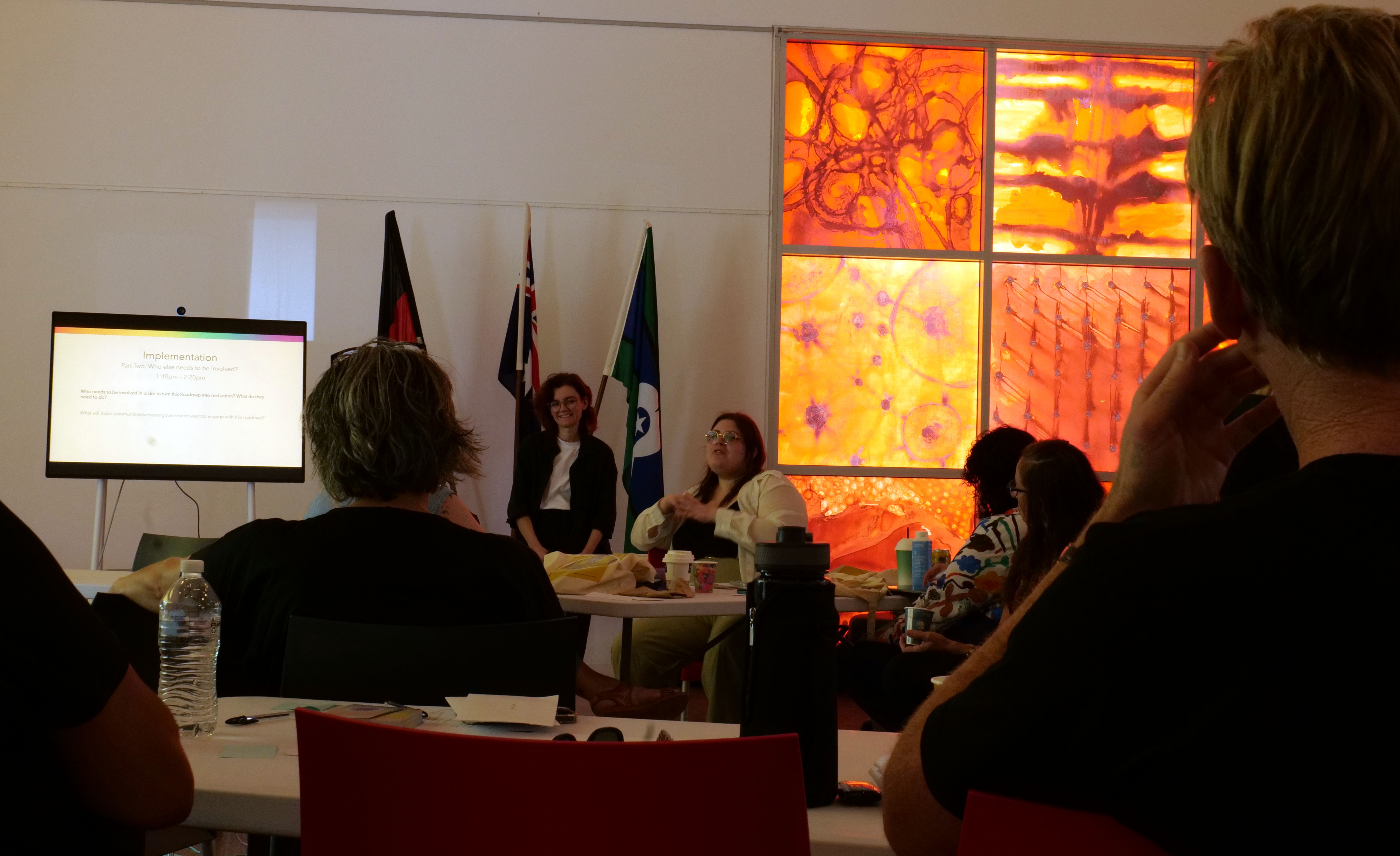
Walkern Katatdjin researcher and lead author Mx Shakara Liddelow-Hunt leads a conversation with the community on the key actions to include in the Roadmap.
Although school-based delivery of online interventions can effectively prevent depression and other common mental disorders, little is known about the characteristics of students who engage with these programs. This study aimed to identify predictors of two indicators of adolescent engagement (program usage and skill enactment) with a school-based online depression prevention program. The study also explored the association between skill enactment and mental health outcomes.
Maternal mental health problems are common during the perinatal period and have been associated with several negative outcomes in children. However, few studies have examined the associations between maternal mental health problems and offspring outcomes among Indigenous people, and the findings across these studies have been inconsistent. This scoping review examined the birth and childhood (≤12 years) health and development outcomes of the children of Indigenous women with mental health problems.
Translation of developmental science discoveries is impeded by numerous barriers at different stages of the research-to-practice pipeline. Actualization of the vast potential of the developmental sciences to improve children's health and development in the real world is imperative but has not yet been fully realized.
Pineal volume reductions have been reported in schizophrenia and clinical high-risk states for the development of psychosis, supporting the role of melatonin dysregulation in the pathophysiology of psychosis.
Evidence suggests that individuals with autism spectrum disorder have increased rates of co-occurring psychosis and/or bipolar disorder. Considering the peak age of onset for psychosis and bipolar disorder occurs in adulthood, we investigated the co-occurrence of these disorders in adults with autism.