
Search
Christopher Kefyalew Hannah Blyth Alene Moore MBBS (Hons) DCH FRACP FRCPA PhD BSc, MPH, PhD OAM BSc (Hons) GradDipClinEpi PhD Centre Head, Wesfarmers
Kefyalew Alene BSc, MPH, PhD Head, Geospatial and Tuberculosis 0404705064 Kefyalew.alene@thekids.org.au Honorary Research Fellow Dr Kefyalew Alene
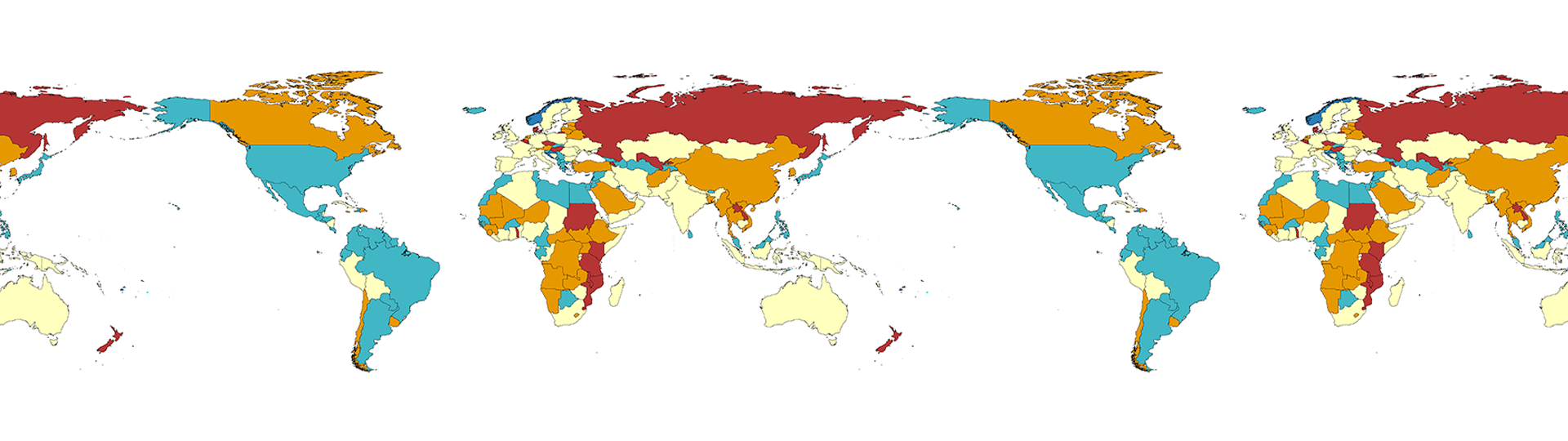
The Geospatial and Tuberculosis (GeoTB) team led by Kefyalew Alene focuses on designing an innovative approach for improving the efficiency and effectiveness of public health interventions to help control and ultimately eliminate tuberculosis in high-burden countries.
Undernutrition is a key driver of the global tuberculosis (TB) epidemic, yet there is limited understanding regarding the spatial overlap of both diseases. This study aimed to determine the geographical co-distribution and socio-climatic factors of undernutrition and TB in Ethiopia.
Multiple lifestyle risk factors exhibit a stronger association with non-communicable diseases (NCDs) compared to a single factor, emphasizing the necessity of considering them collectively. By integrating these major lifestyle risk factors, we can identify individuals with an overall unhealthy lifestyle, which facilitates the provision of targeted interventions for those at significant risk of NCDs. The aim of this study was to evaluate the socio-demographic correlates of unhealthy lifestyles among adolescents and adults in Ethiopia.
Strongyloidiasis, caused by the soil-transmitted helminth Strongyloides stercoralis, remains a neglected public health issue in Australia, particularly among remote Aboriginal and Torres Strait Islander communities. This study aimed to map the spatial distribution of strongyloidiasis and investigate associated socioecological factors to identify high-risk areas and guide targeted interventions in Australia.
Tuberculosis (TB) remains a major public health challenge in Ethiopia, despite being a preventable disease. TB preventive treatment (TPT) is a critical intervention to prevent the progression from latent TB infection to active disease, particularly among household contacts of TB patients and people living with HIV due to weakened immunity. However, the initiation and completion rates of TPT at subnational and local levels have not been thoroughly investigated. This study aims to map facility-based TPT initiation and completion rates among household contacts of TB across Ethiopia.
The first global review of the effectiveness of current strategies to fight tuberculosis has found preventive therapy is the most effective intervention strategy.
Infectious diseases such as tuberculosis (TB), malaria and soil-transmitted helminthiasis continue to impose a significant global health burden and socio-economic impact. Globally, minority indigenous people are disproportionately affected by poverty and are shown to experience a disparate burden of disease and poorer health outcomes than the comparative majority population.
Tuberculosis (TB) is the leading cause of death from a bacterial pathogen worldwide. China has the third highest TB burden in the world, with a high reported burden in Hunan Province (amongst others). This study aimed to investigate the spatial distribution of TB and identify socioeconomic, demographic, and environmental drivers in Hunan Province, China. Numbers of reported cases of TB were obtained from the Tuberculosis Control Institute of Hunan Province, China.