
Search
Our study investigated the impacts of spinal fusion on survival and the risk of developing respiratory infections in females with Rett syndrome.
This study evaluated sixty-one families' satisfaction following spinal fusion in girls with Rett syndrome.
We investigated what parents thought about the ways to manage scoliosis and what they thought they needed to help them better manage their daughter's scoliosis.
We wanted to examine the effects of spinal fusion surgery to treat scoliosis on the functional abilities of girls and women with Rett syndrome.
The development of research partnerships is a priority for InterRett, with centres or clinicians with access to large numbers of patients with Rett syndrome.
These resources include the best available evidence about the course of Rett syndrome and its management as well as practical information about family associations, specialist clinical centres and links to relevant websites.
Rett Syndrome Association of Australia and ANZACRett are two family-oriented organisations.
Our Searchable online database allows you to create graphs like the one below.
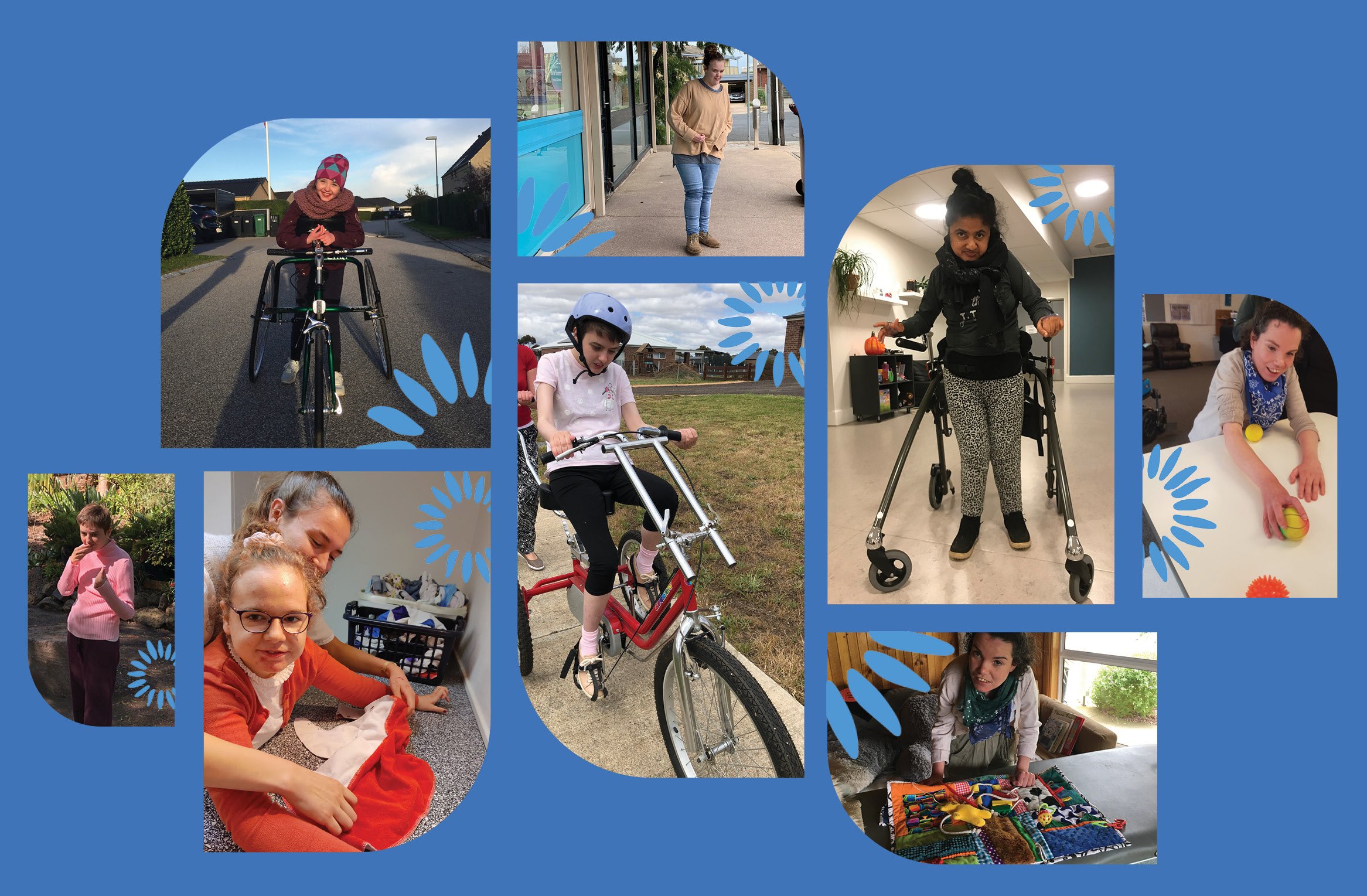
Staying physically active is an important part of a healthy lifestyle. ActiveRett is a dedicated resource for helping families support their child with Rett syndrome to keep active.
Considering one’s own capacity, activity should be included into everyone’s daily routine to make sure these recommended levels of activity are being as closely met as possible, for everyone to secure the most benefits.