
Search
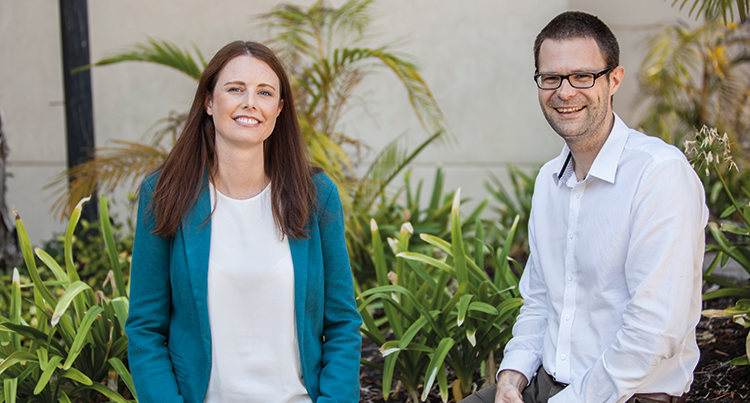
Professor Andrew Whitehouse tells how Australia’s first national guideline for the diagnosis of autism spectrum disorder is going to transform the way the condition is assessed and managed, vastly improving the experience for families.
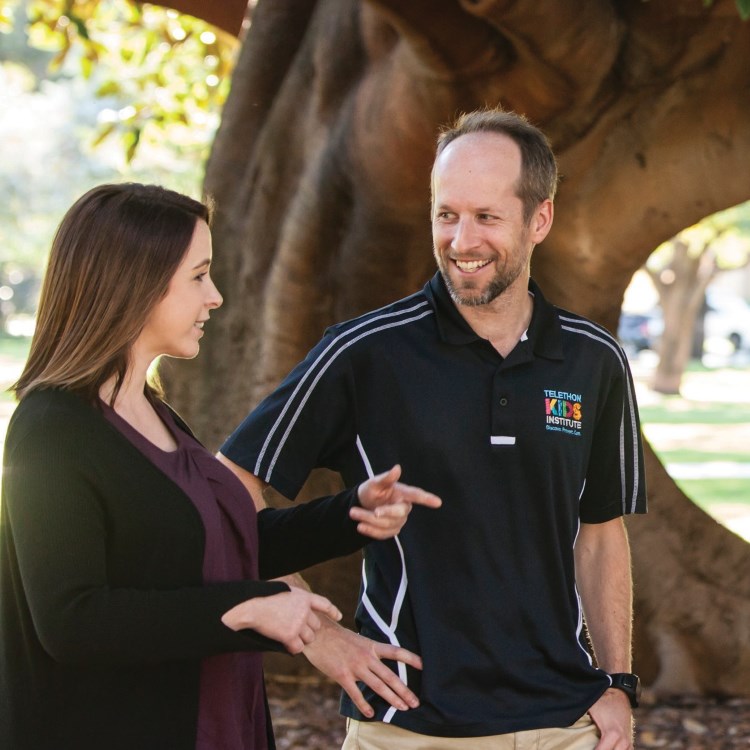
Child health and development researchers are increasingly turning to Western Australia's extensive population datasets for their ground-breaking work.
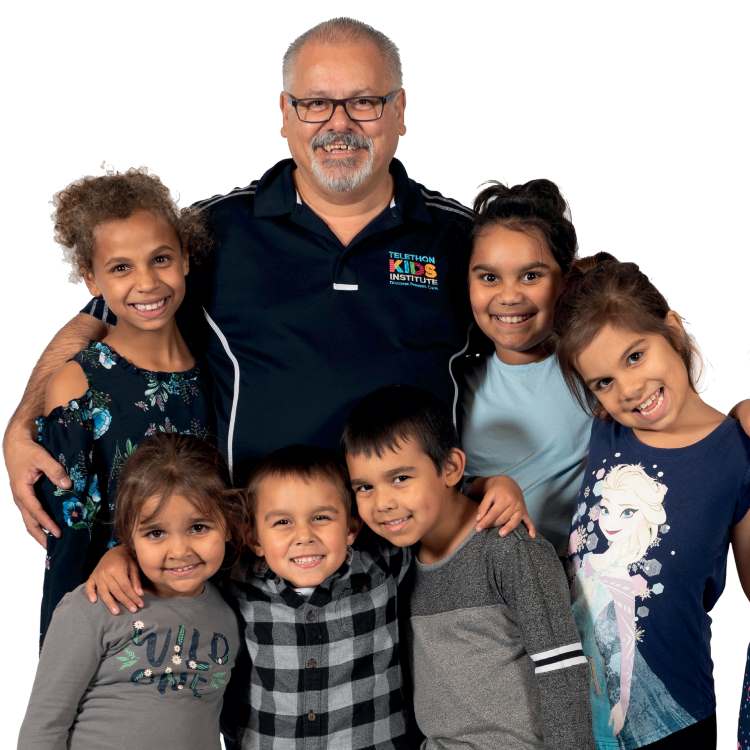
Led by nine Elders, the Ngulluk Koolunga Ngulluk Koort Project is working to generate a better understanding of early childhood development from an Aboriginal/Nyoongar perspective.
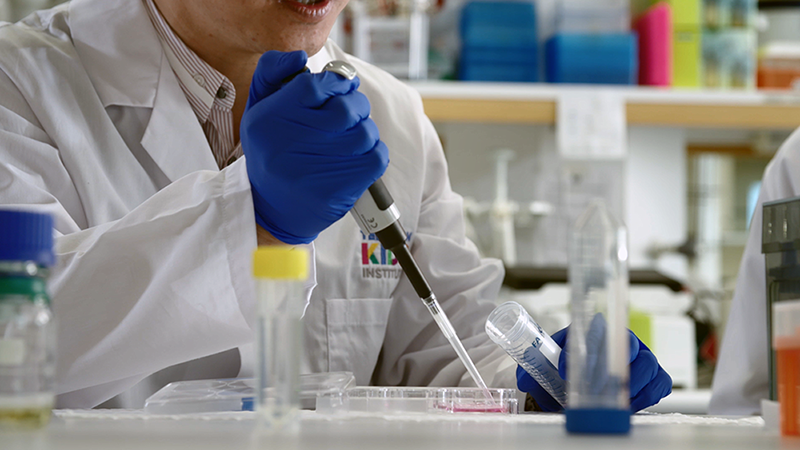
Five outstanding The Kids Research Institute Australia researchers are amongst the eight recipients of the WA Department of Health New Independent Researcher Infrastructure Support (NIRIS) awards.
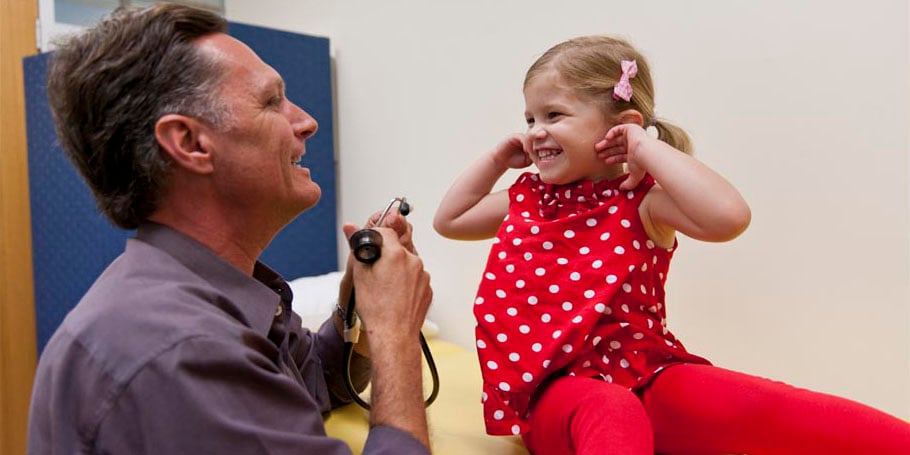
Leading paediatrician, infectious diseases specialist and Executive Director of The Kids Research Institute Australia, Professor Jonathan Carapetis, has been recognised for his significant contribution towards medical research with the award of Member of the Order of Australia (AM).

As many as a quarter of Australian babies aren’t getting vaccinated on time, leaving them at risk of developing life-threatening illnesses such as whooping cough when they are most vulnerable.
Daniel Christensen, The Kids Research Institute Australia Life Course Centre research fellow, explained there was rapid change in a child’s brain in the first few years of life, making their home environment and relationship with carers incredibly important.
The World Health Organisation resolution for global action to tackle rheumatic heart disease (RHD) will have significant implications for Australia, which has some of the highest rates of the disease in the world.
The Kids is collaborating with government agencies, parents and school representatives to trial an innovative intervention delivered through schools to increase parents’ knowledge and skills to delay and reduce teenage alcohol use.
Two years on, Michelle and Dartanyon’s health and quality of life have significantly improved. We caught up with Michelle to hear about their journey since we first met them.