
Search
Acute lymphoblastic leukaemia (ALL) is one of the most treatable forms of paediatric cancer; however, there is a substantial burden of treatment-related toxicities (TRTs). In addition, the long-term changes in children's health-related quality of life (HRQoL) due to toxic treatments are not well understood.
To evaluate whether the General Movement Assessment in infancy is associated with later cognitive outcomes from early childhood through adulthood.

This blog aims to explore what emotions are, why they are important, and how we can support children to develop their ability to understand and express their own emotions in a healthy way.
Lesbian, Gay, Bisexual, Transgender, Intersex, Queer, Asexual/Aromantic (LGBTIQA+) people and other individuals with diverse sexual orientation, sex and/or gender identity experience intimate partner violence (IPV) at higher rates than non-LGBTIQA+ people but often receive inconsistent culturally competent healthcare, which deters help-seeking.

The Youth Mental Health team’s vision is to improve the mental health of young people, their families and communities locally, nationally, and internationally.
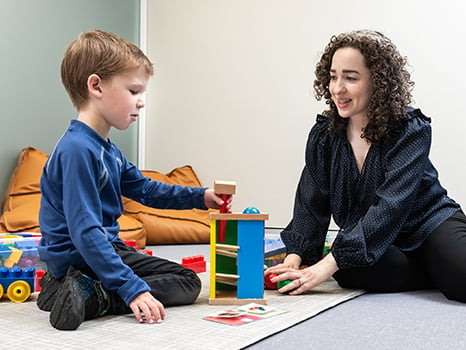
Autism is a complex developmental condition which results in differences in the way in which a person interacts, learns and behaves.
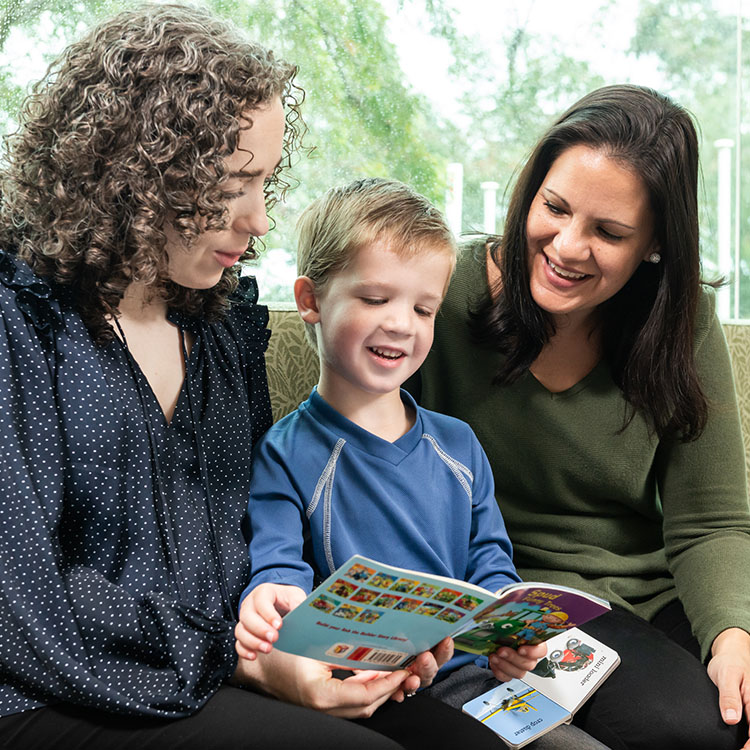
View our wide range of resources including fact sheets, and help understanding autism.

Receiving an autism diagnosis for your child can bring a wide range of emotions. For many families, it provides answers and validation, but it can also leave parents and caregivers wondering, What happens next? Where do we start?

In this new blog, Speech Pathology Lead Aria May explains how bathtime is a great opportunity to support social communication with your child.
Sign up to the CliniKids Newsletter to receive the latest updates, stories, and invites to community events from CliniKids.