
Search
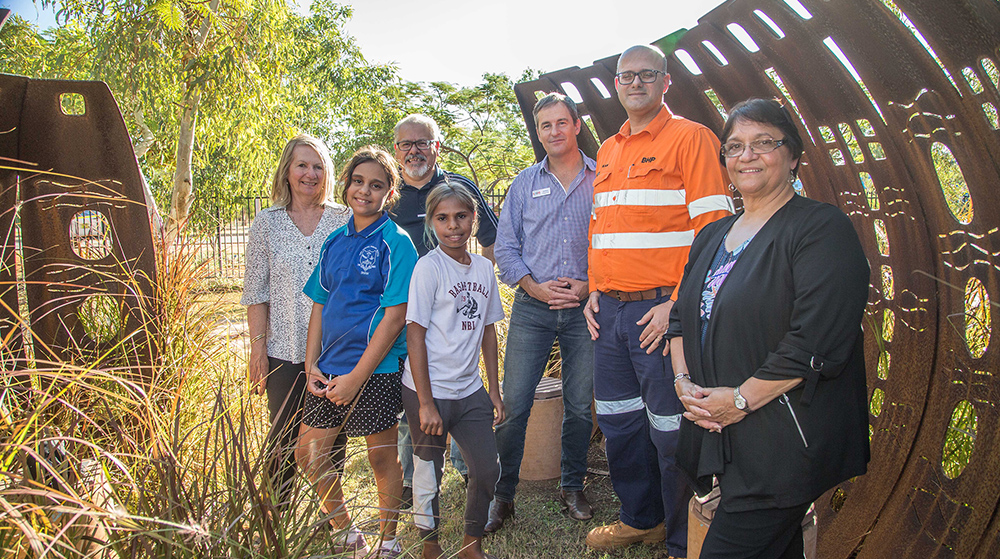
A five-year, $5 million research program funded by BHP and aimed at reducing the prevalence and impact of FASD in the Pilbara officially wrapped in South Hedland last night.

The hearts of everyone at The Kids go out to the family and friends of Lachlan Hernaman, a long-term participant in lung health research who died suddenly on April 30.
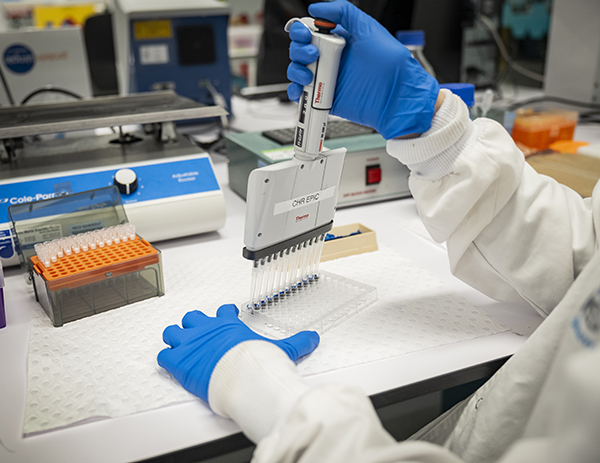
The new Future Health and Research Innovation Fund will be transformative for health and medical research in Western Australia.
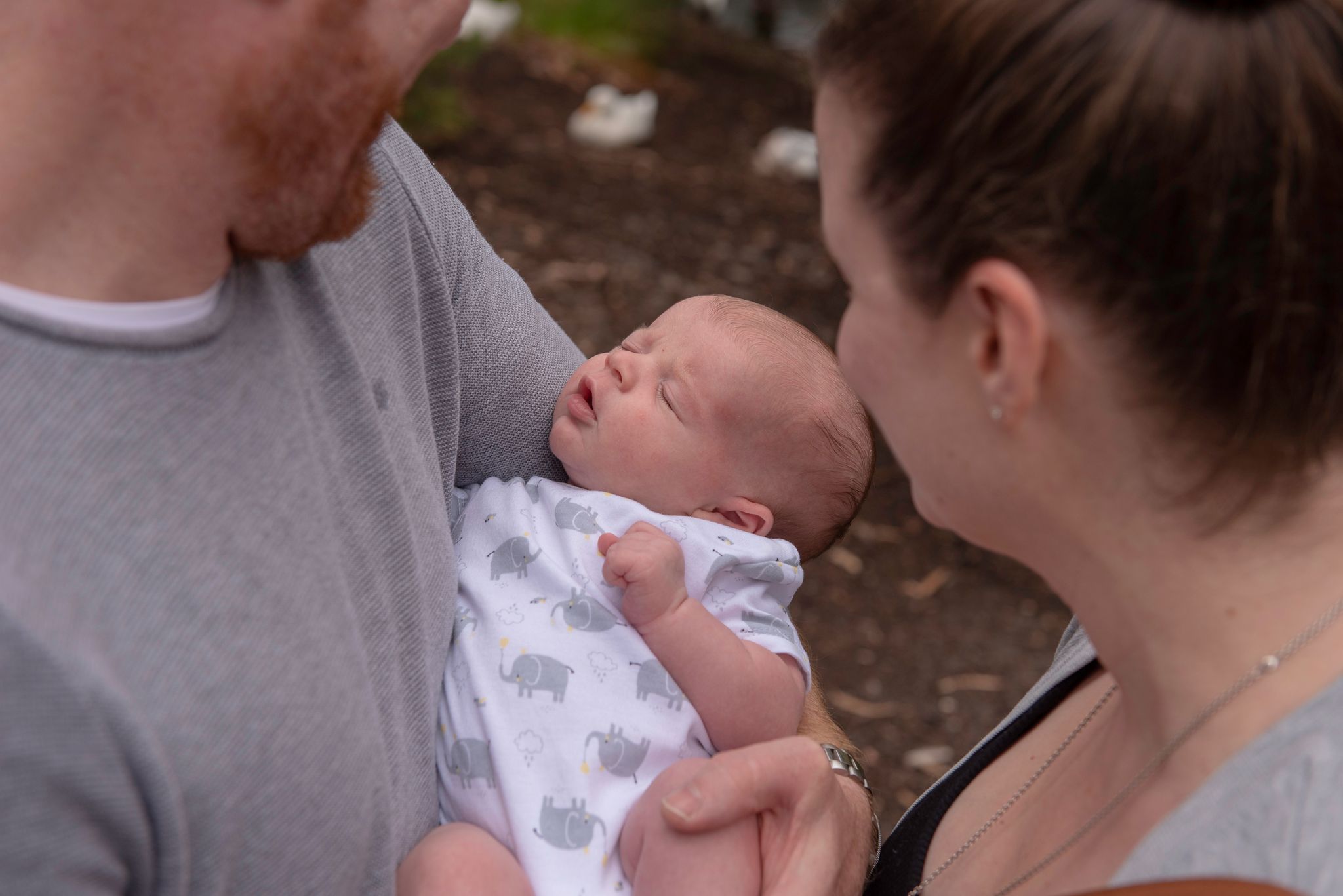
It is easy to get lost in translation when talking about early childhood.
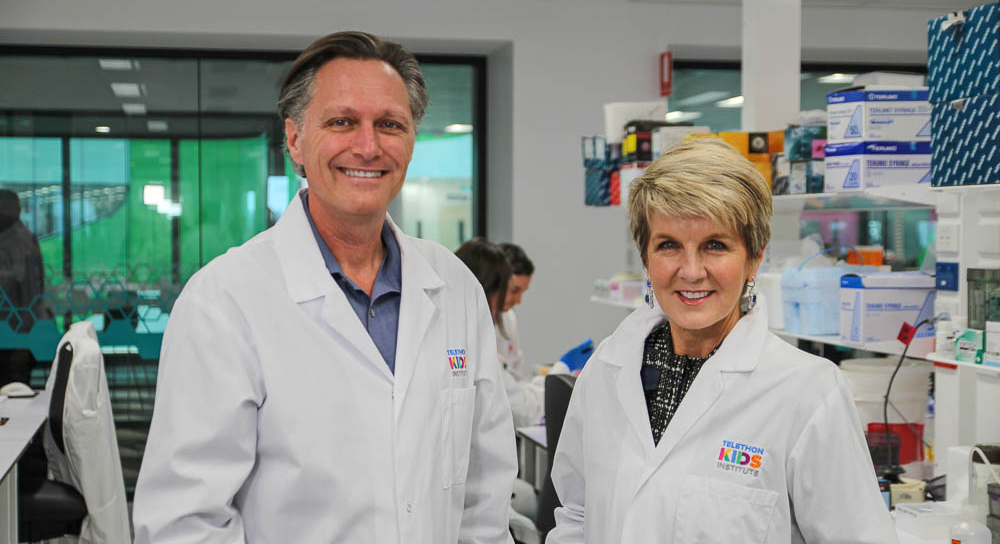
Former Australian Foreign Affairs Minister The Hon Julie Bishop will be the next Chair of Perth’s The Kids Research Institute Australia.
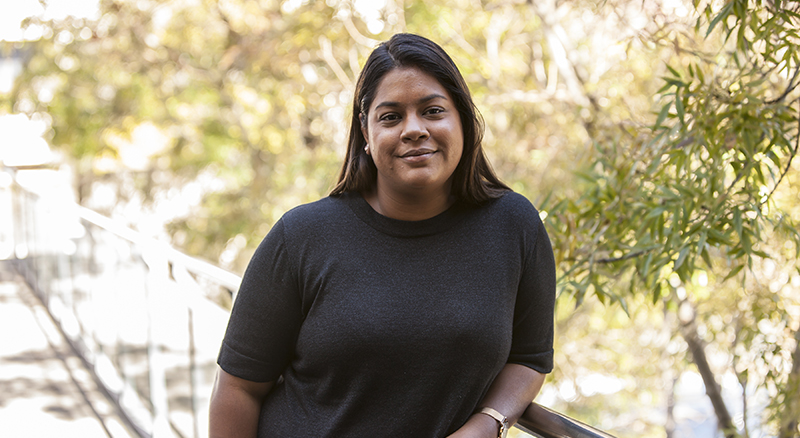
Autism researchers from The Kids Research Institute Australia have called for the term ‘high functioning autism’ to be abandoned because of the misleading and potentially harmful expectations it creates around the abilities of children on the autism spectrum.
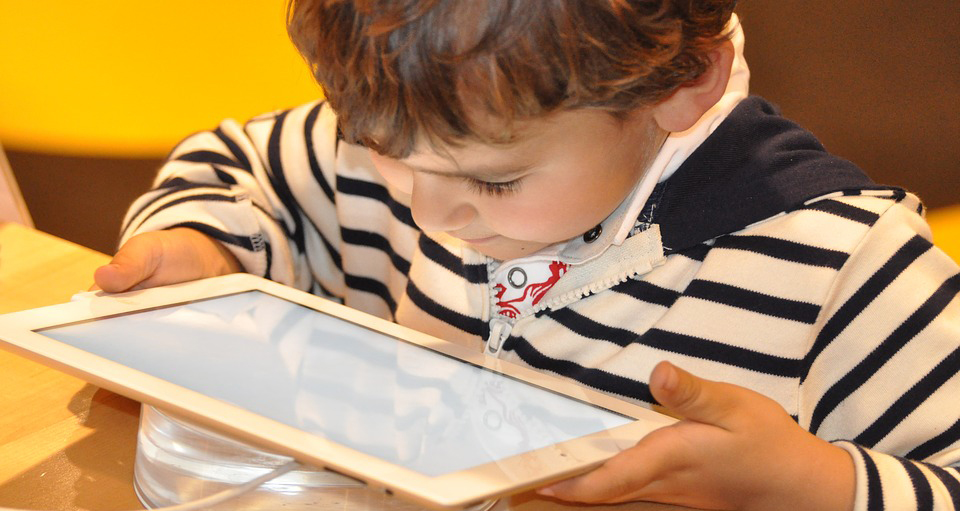
Have you ever wondered how other parents manage their kids’ device use? As part of a survey for our Cyber Savvy Project, The Kids researchers asked a group of parents for their top tips regarding their child's use of devices.
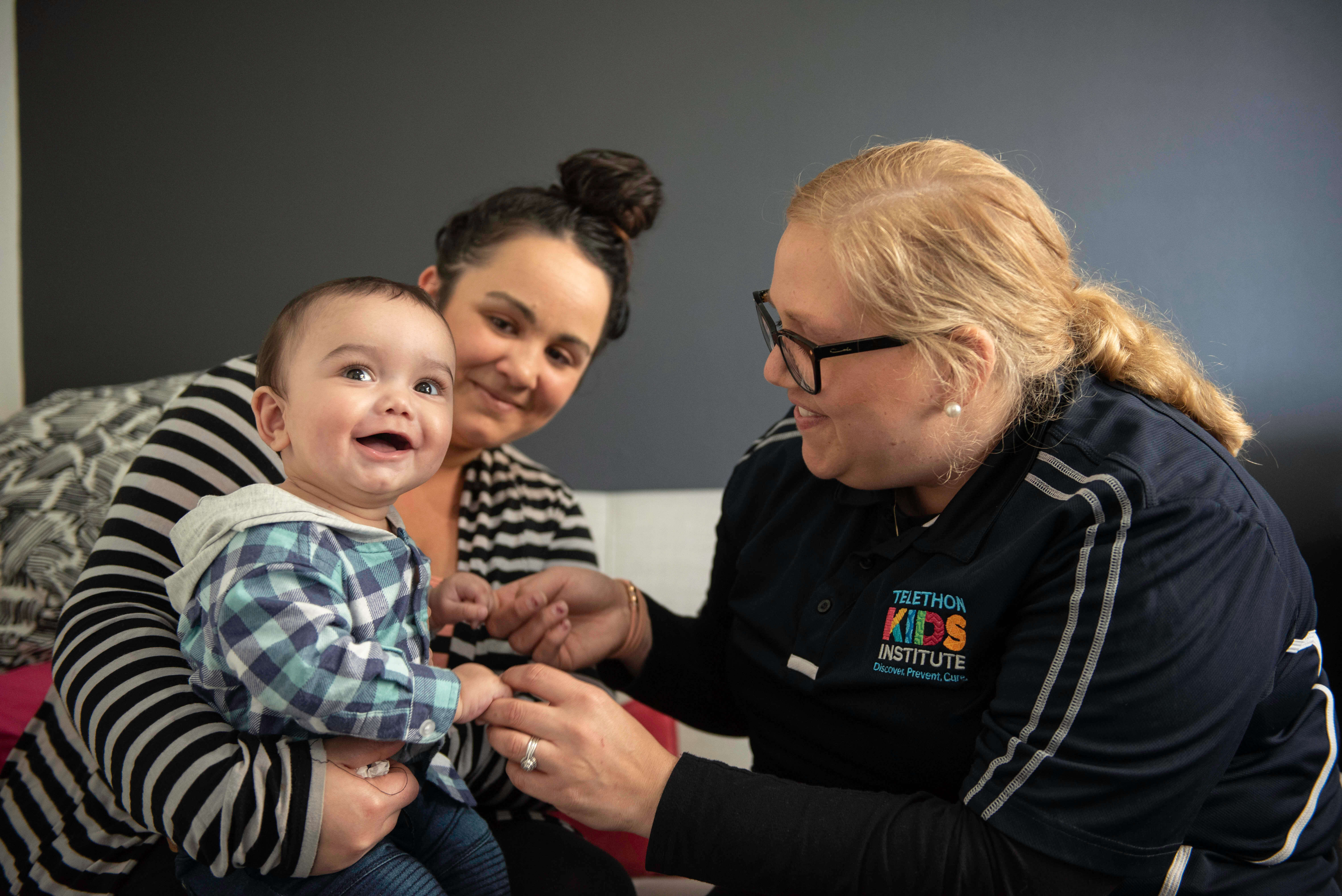
The major funder of the Wesfarmers Centre of Vaccines and Infectious Diseases based at The Kids Research Institute Australia has been recognised as Australia’s most generous giver.
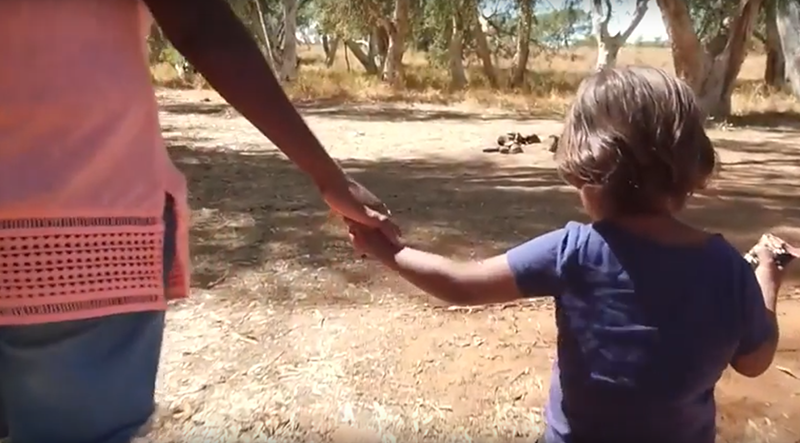
A landmark study has revealed an increase in the prevalence of mental health related issues among mothers of Aboriginal children in Western Australia.
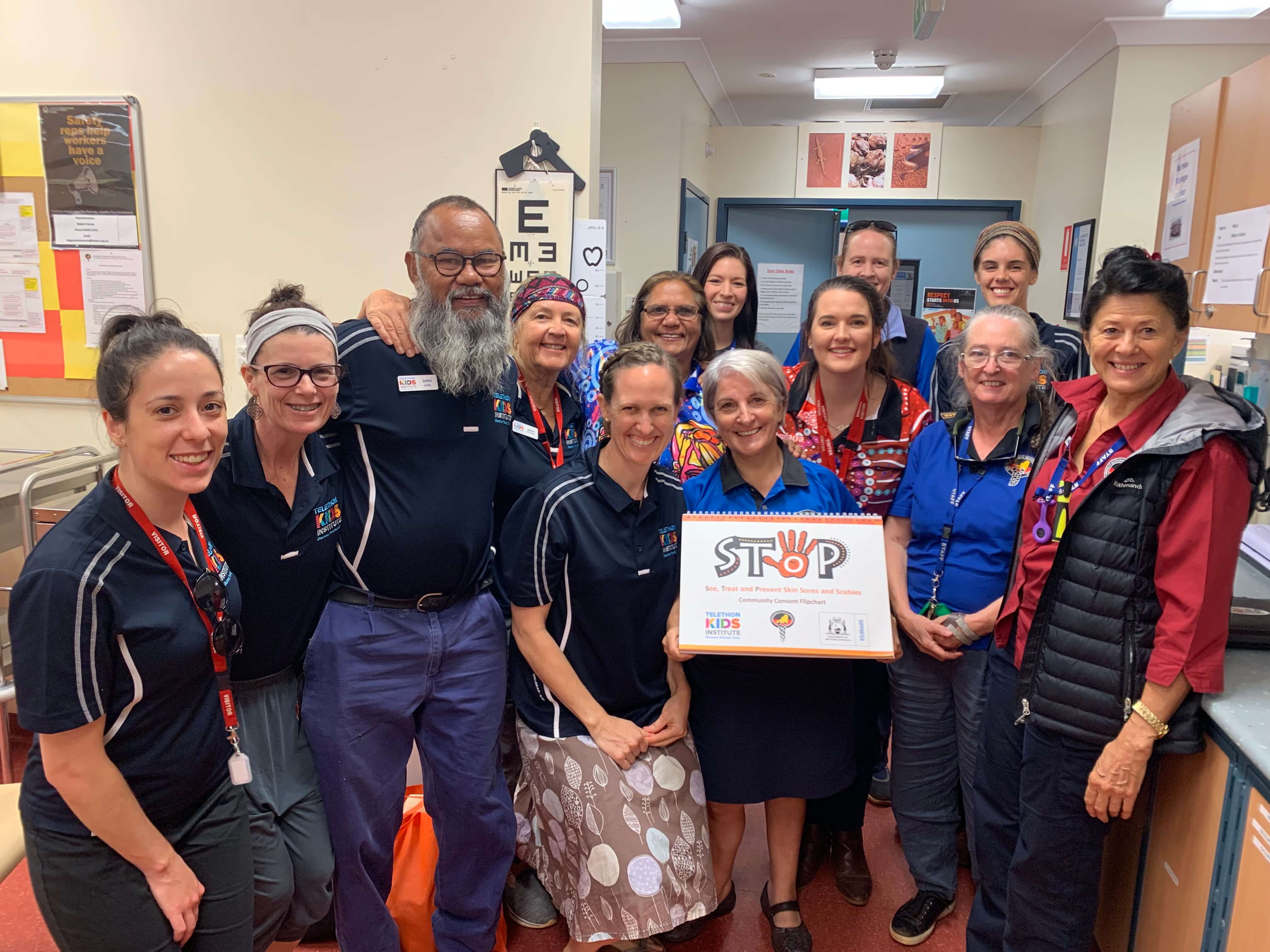
Six weeks, nine community visits and 380 kids – it’s a wrap for round one of the StoP Trial!