
Search
The Kids Research Institute Australia researchers will have continued access to the latest equipment to support and enable their important research, thanks to Maia Financial.
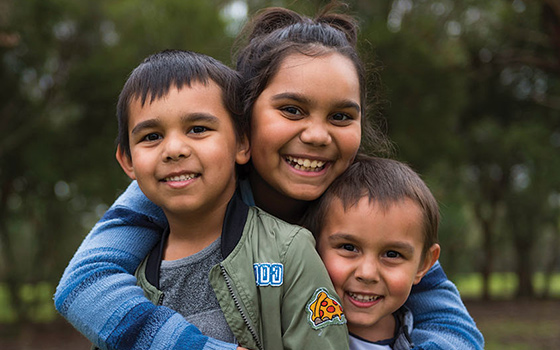
The Kids Research Institute Australia is a new kind of research institute. One where kids are at the heart of everything we do.
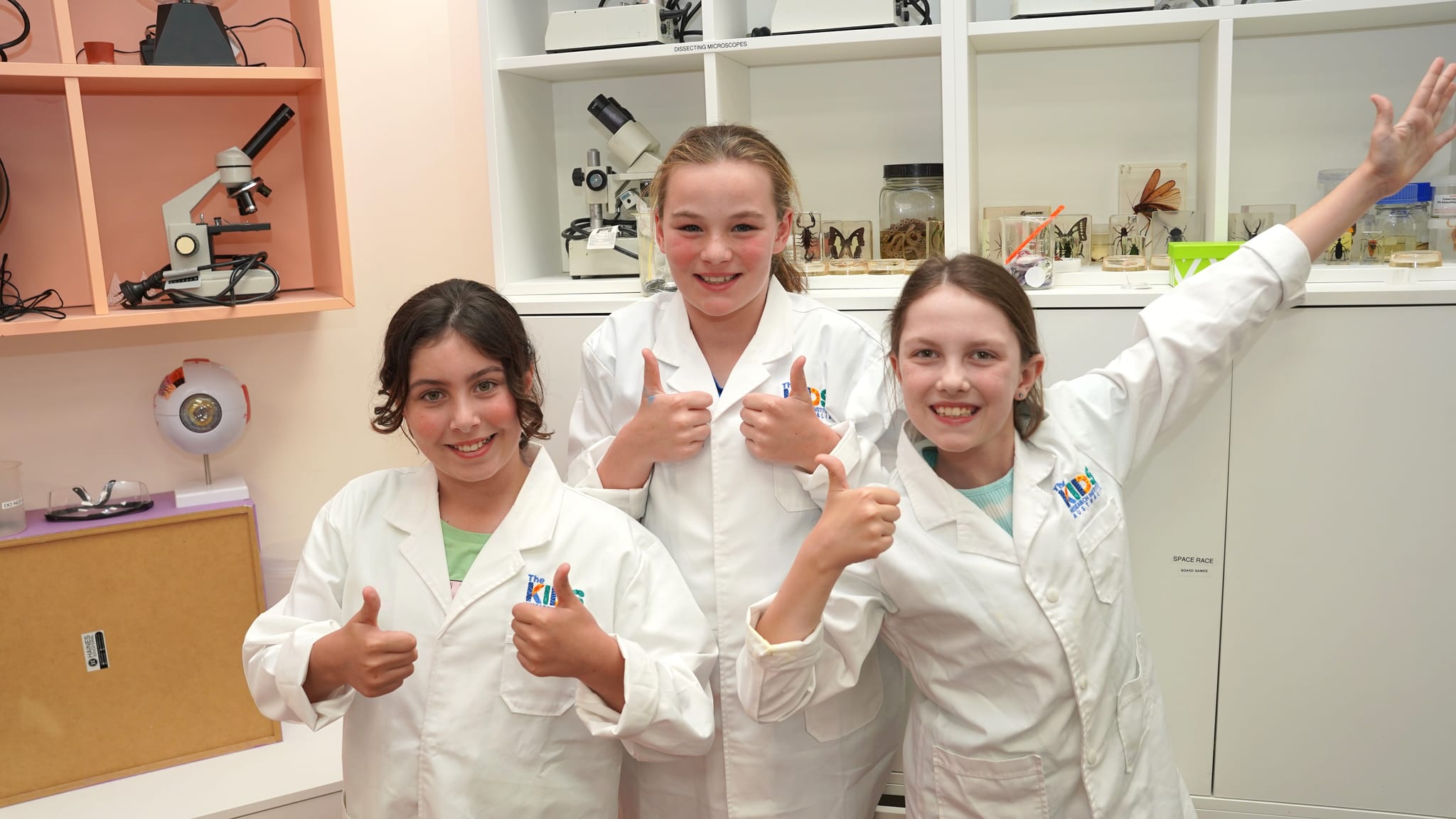
Find out about upcoming school holiday workshops at Scitech.
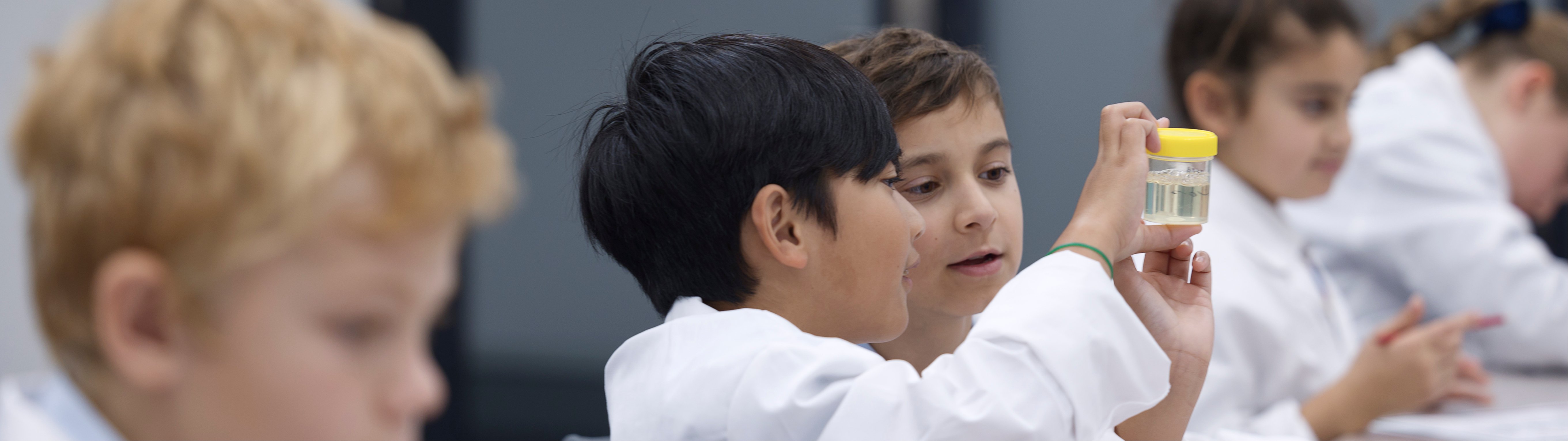
Book a school excursion with the Discovery Centre
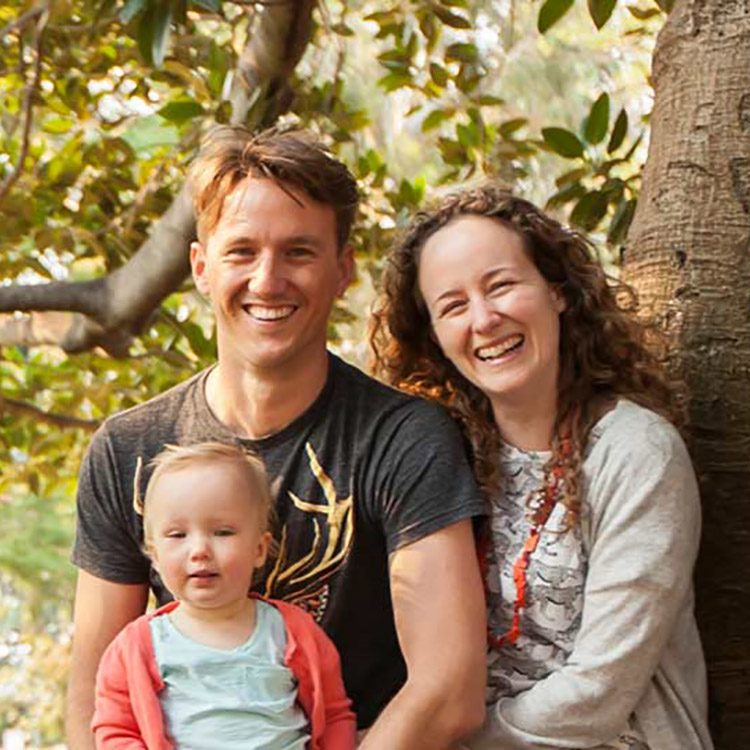
What would you discover to help a child? At The Kids, our researchers are committed to research that makes a real difference. Watch our real life researcher and family stories.
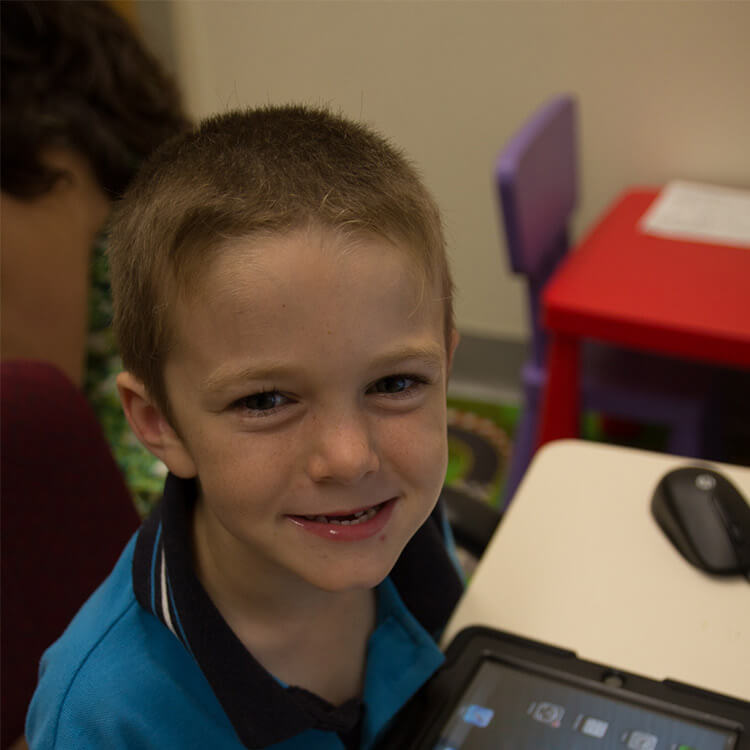
What would you discover to help a child? At The Kids, our researchers are committed to Autism research that makes a real difference.

What would you discover to help a child? At The Kids, our researchers are committed to Type 1 Diabetes research that makes a real difference.
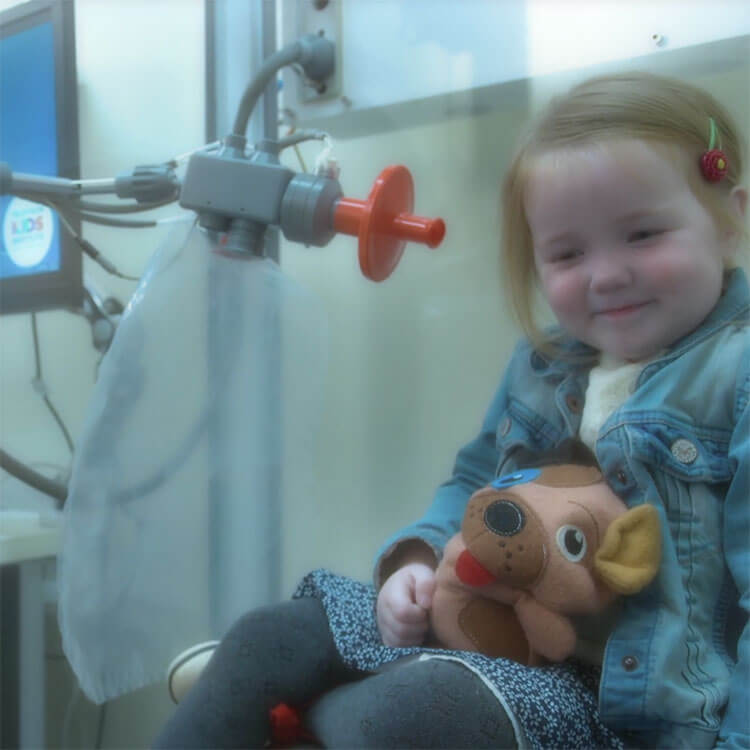
What would you discover to help a child? At The Kids, our researchers are committed to Cystic Fibrosis research that makes a real difference.
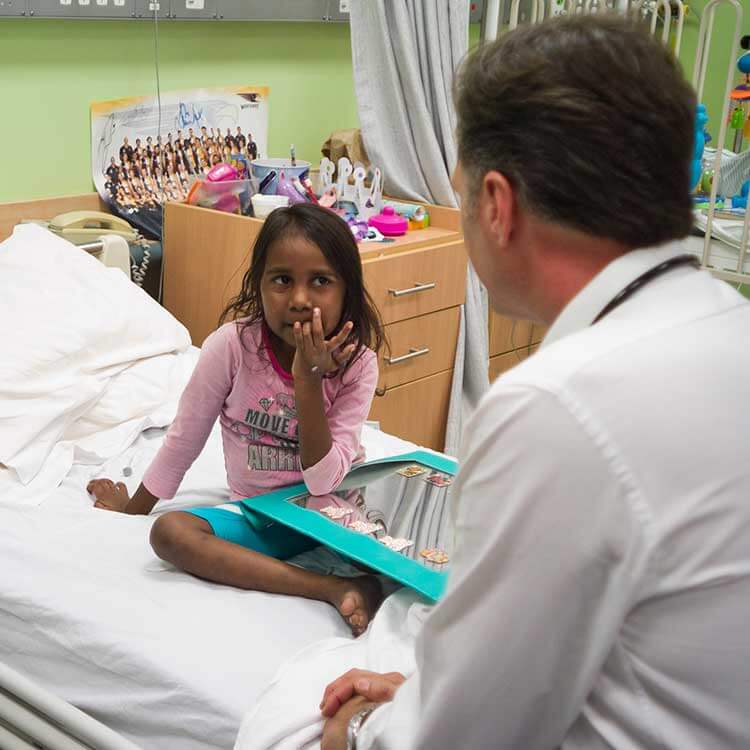
What would you discover to help a child? At The Kids, our researchers are committed to Rheumatic heart disease research that makes a real difference.