
Search
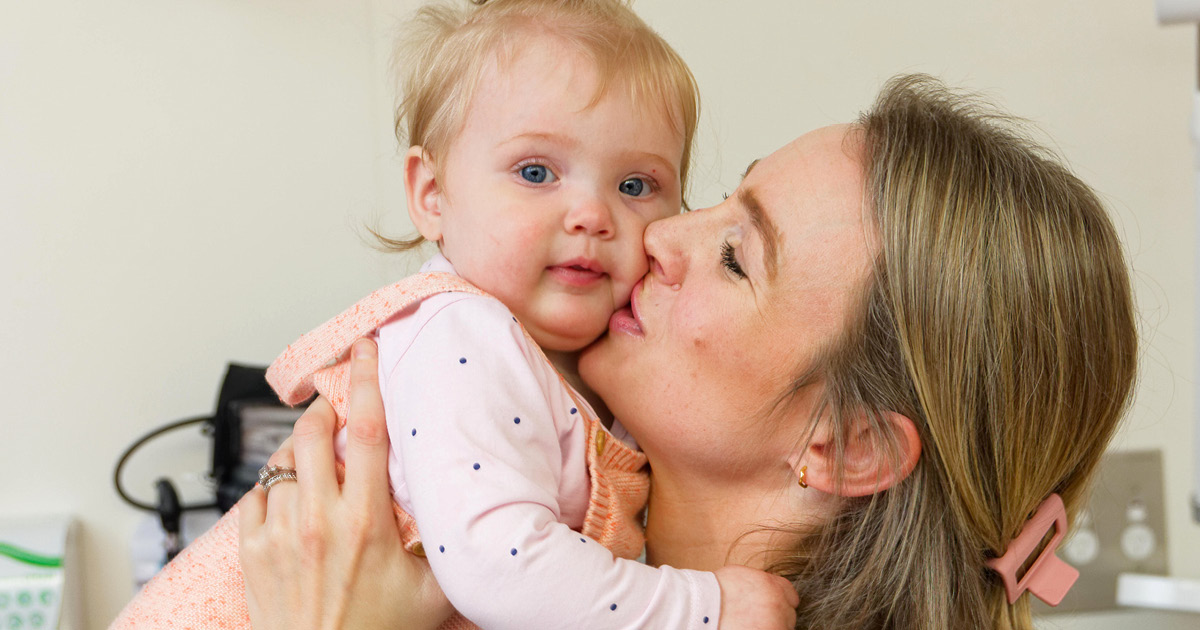
Prevention of respiratory syncytial virus (RSV) is now a real possibility thanks to the rollout of an immunisation program backed by a decade’s worth of epidemiological research led by The Kids Research Institute Australia.
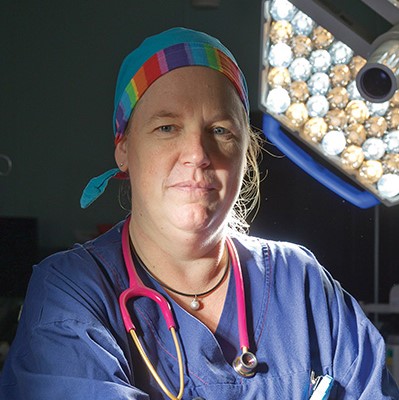
The Perioperative Medicine team has developed a unique chewable tablet that gives the child the sensation of having a full stomach, without compromising their fasting regime.
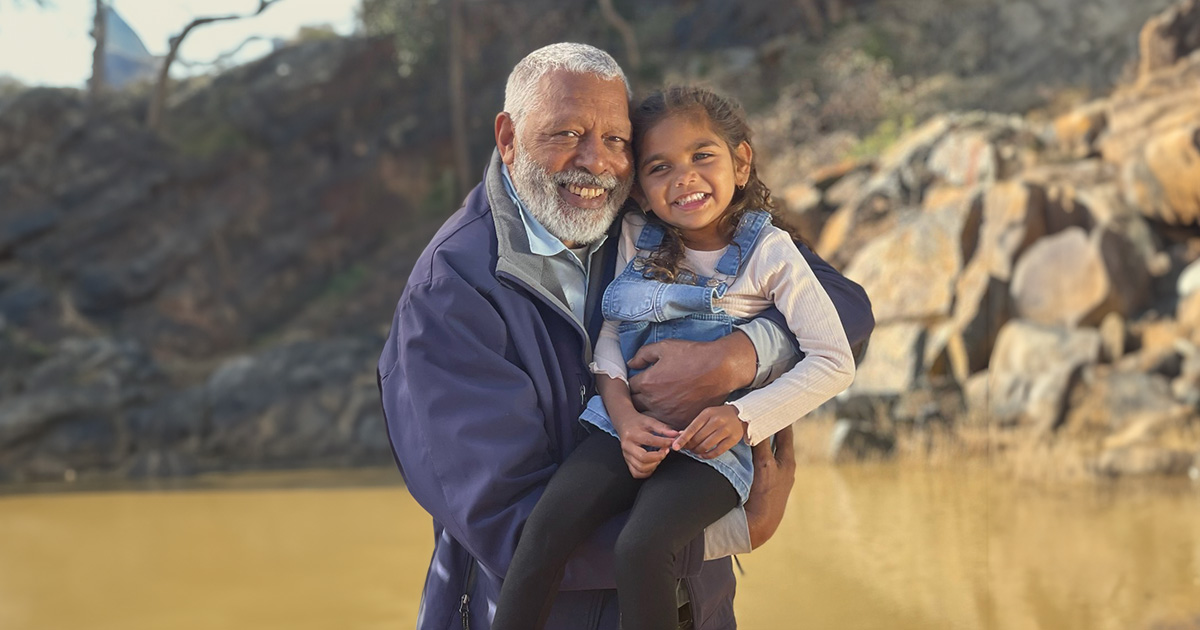
A public health campaign to raise awareness about the dangers of chronic wet cough in Aboriginal children is helping to improve detection, diagnosis and management of the condition.
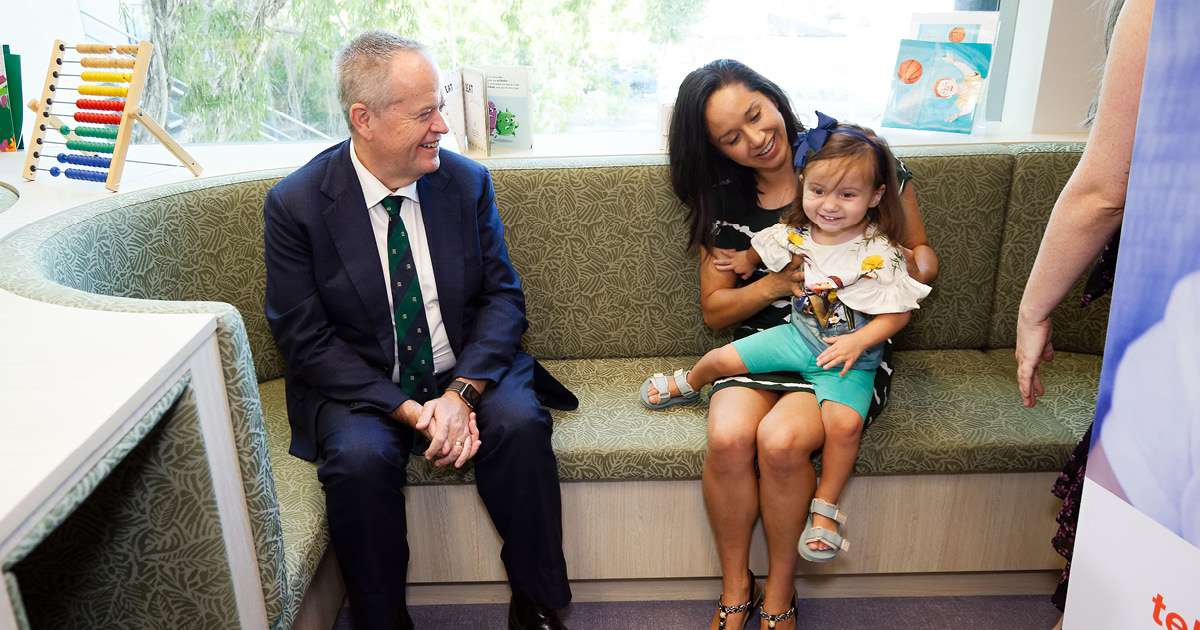
A world-first program for babies with differences in their social and communication skills is aiming to help parents and caregivers better understand the different ways their child communicates.
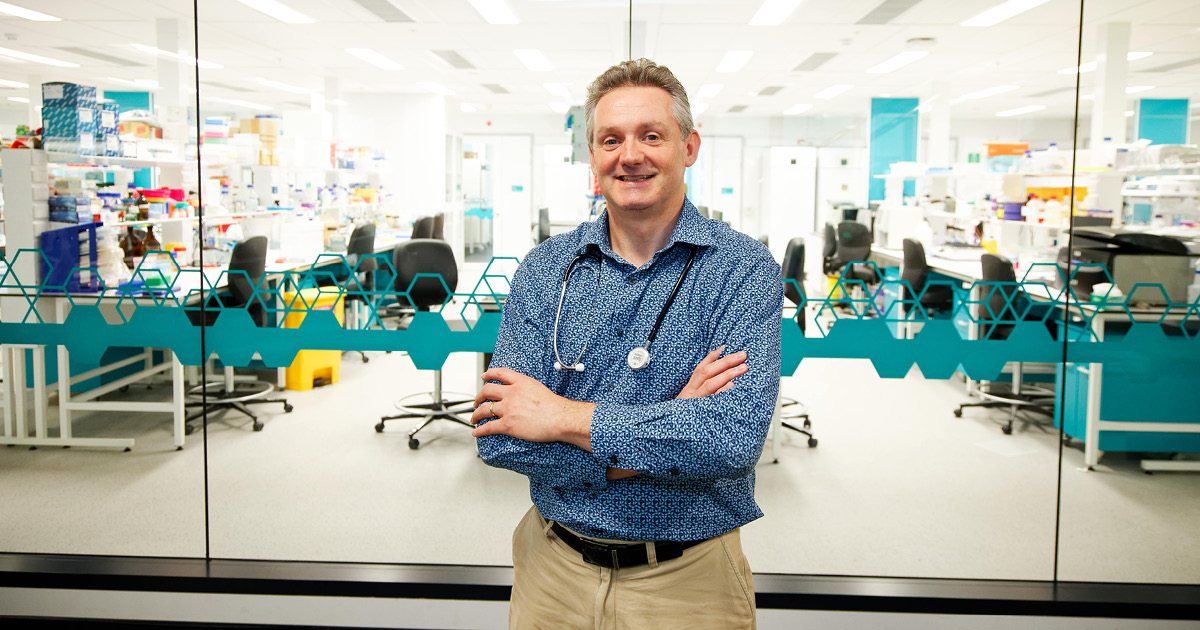
Australian children diagnosed with a brain tumour now have a better chance of accessing the best treatment for their disease thanks to a trans-Tasman collaboration spearheaded by The Kids Research Institute Australia cancer researcher Professor Nick Gottardo.
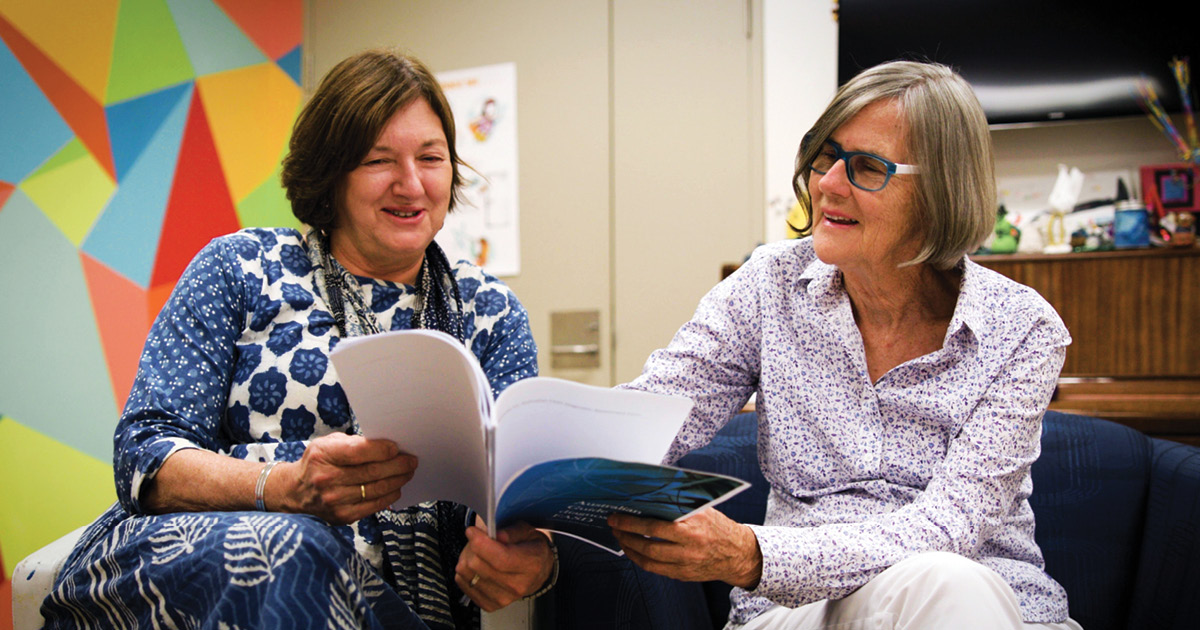
A website providing the latest research and resources on Fetal Alcohol Spectrum Disorder (FASD) is helping parents, educators, health professionals and policy makers navigate the complexities of the neurodevelopmental impairment condition.

The MINERvA Network will allow more accurate and precise determination of the contributions of familial and environmental factors to the etiology of autism.
The WAACHS regional profiles look at all four volumes of results across the ATSIC regions of Western Australia.
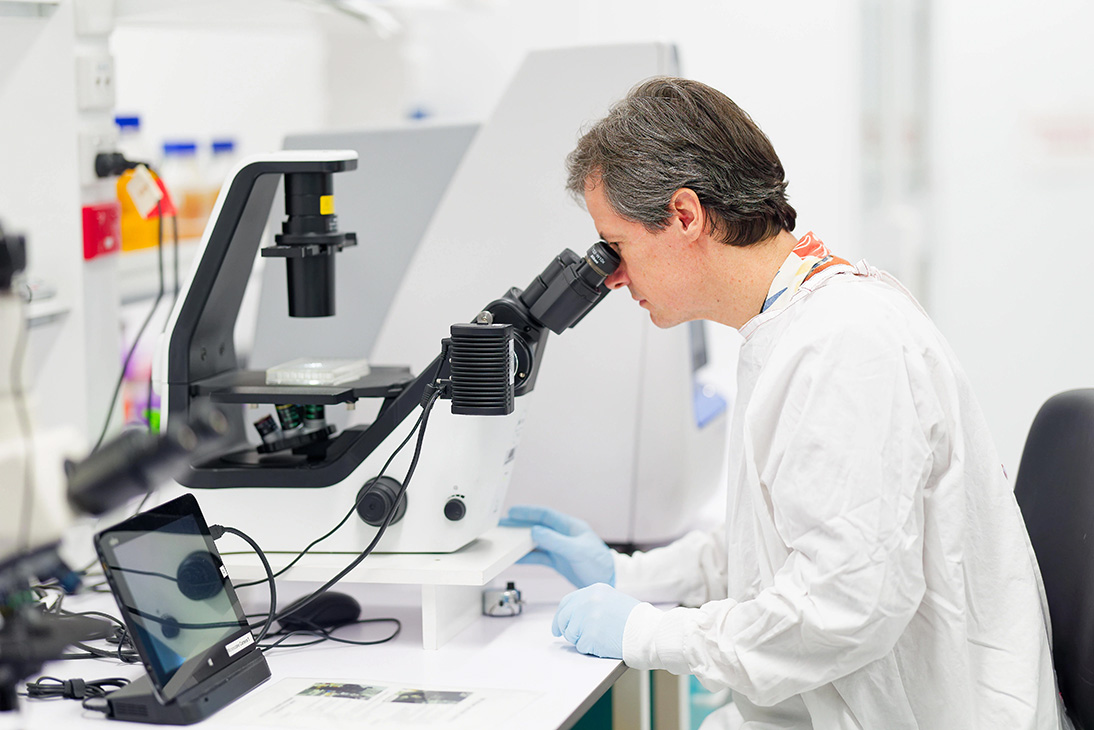
At The Kids Research Institute Australia, we've been thinking of the kids for 35 years. We are finding the answers to some of the biggest problems facing the health and wellbeing of children and families. Our Research Themes host defined programs of work where the Institute has clear strengths and capacity. Our overarching commitment to First Nations Health and Equity is embedded across all our work and features as a core consideration in each Research Theme. The Institute is committed to ending the disparity in health and wellbeing outcomes between Aboriginal and non-Aboriginal kids and families.
CREAHW is a program of intervention research focused on achieving sustainable change for the Aboriginal community & improving the lives of Aboriginal people.