
Search
Learn more about the Wesfarmers Centre of Vaccines and Infectious Diseases
The Vaccine Trials Group was formed in March 1999 to provide a coordinated approach to the development, delivery, assessment and promotion of vaccines.
To improve the health of the community through immunisation and prevention of infectious diseases, we are conducting clinical trials of vaccines.

Contact us If you'd like to get in touch, please contact us by phone or email. Phone: 0400 450 240 Email: OPTIMUM@thekids.org.au What is the OPTIMUM

We are looking for children to take part in an important study that will assess a new treatment designed to prevent ongoing ear infections in kids having grommet surgery.

The CHIP Study investigates how burn injuries in children affect their immune system.
We are looking for healthy young adults to take part in a study that will help us learn more about a new pertussis vaccine that we hope will offer greater protection from whooping cough.
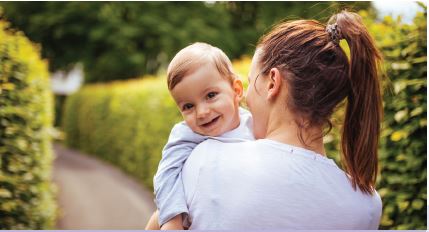
The Kids Research Institute Australia is looking for healthy babies (born from 35 weeks of pregnancy onwards) to take part in an important study evaluating a new medication that may help prevent Respiratory Syncytial Virus (RSV) disease.
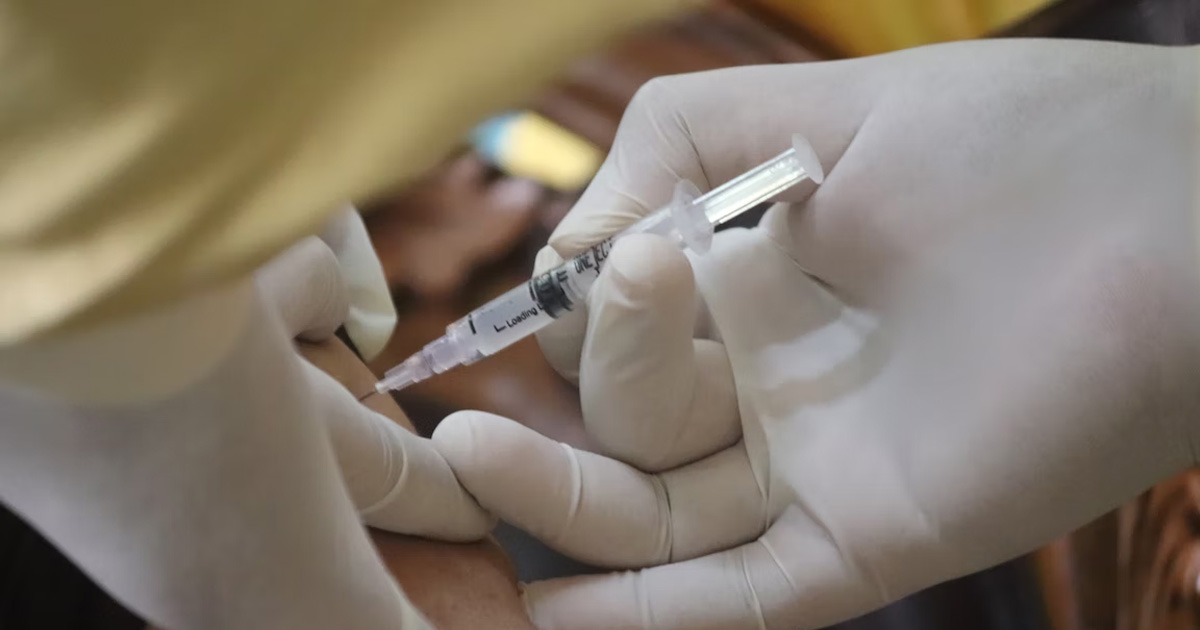
This is your chance to play a vital role in shaping Australia's COVID-19 vaccine program
Contact us If you'd like to get in touch, please contact us by phone or email. Phone: 0400 450 240 Email: rhyme@telethonkids.org.au Background The