
Search
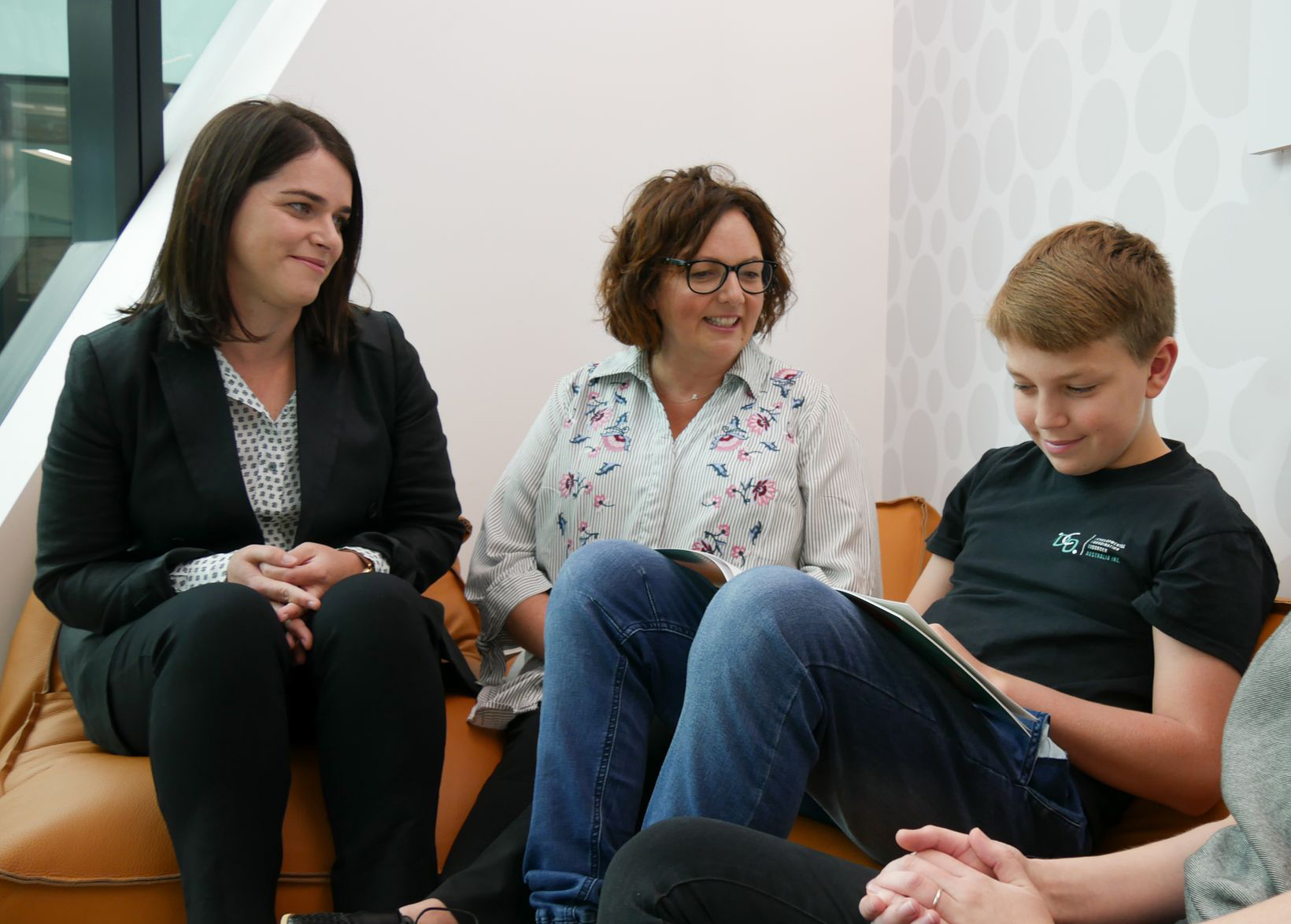
A new report released by The Kids Research Institute Australia in collaboration with Victoria University has revealed the significant social and emotional toll of Developmental Coordination Disorder (DCD).

The benefits of owning a dog start even earlier than previously thought show new research from The Kids Research Institute Australia.

Director of CliniKids, Professor Andrew Whitehouse, and Professor Murray Maybery, have been identified as the world’s most frequent autism research collaborators of the decade.

In Western Australia we have so far been remarkably successful in flattening the curve and preventing the community spread of COVID-19.
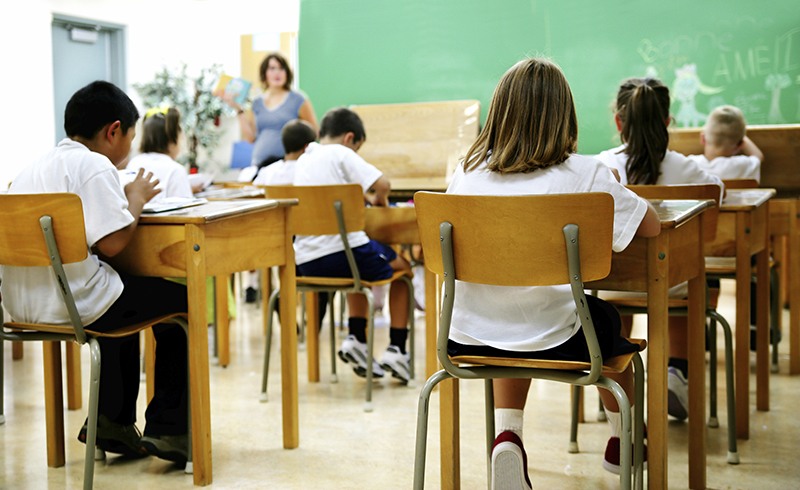
Western Australia has been highly successful at containing community spread of COVID-19 to date.
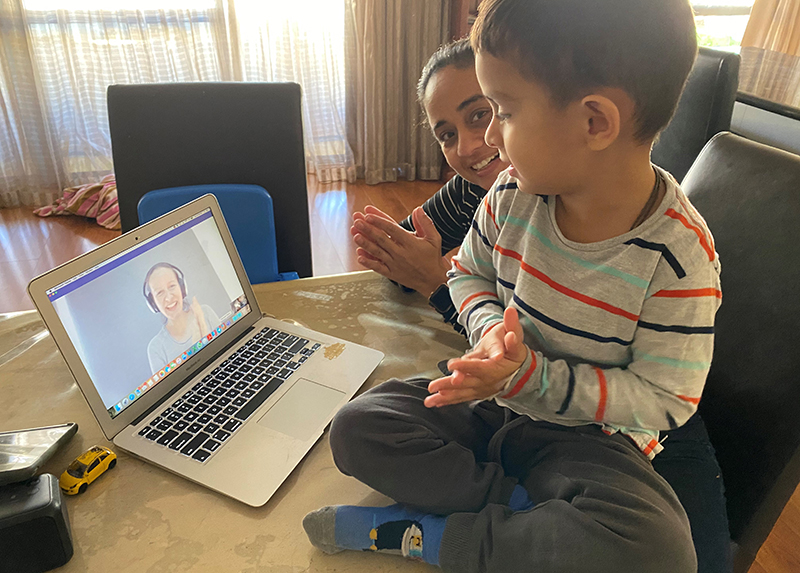
The CliniKids team has reimagined how allied health services for children with autism spectrum disorder or developmental delays are delivered.
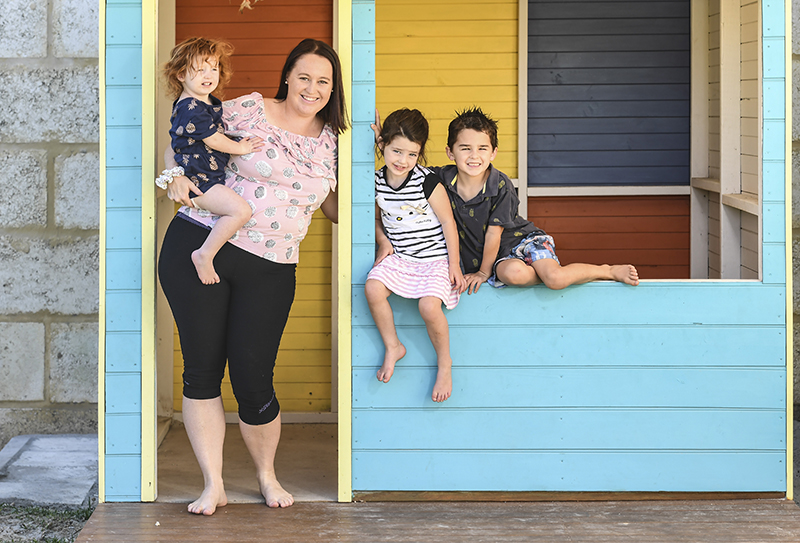
In an Australian-first study, researchers at The Kids Research Institute Australia are investigating the effects of COVID-19 on the wellbeing of more than 2,000 families in the northern suburbs of Perth, measuring their perceived stress, financial hardship and family functioning during the pandemic.
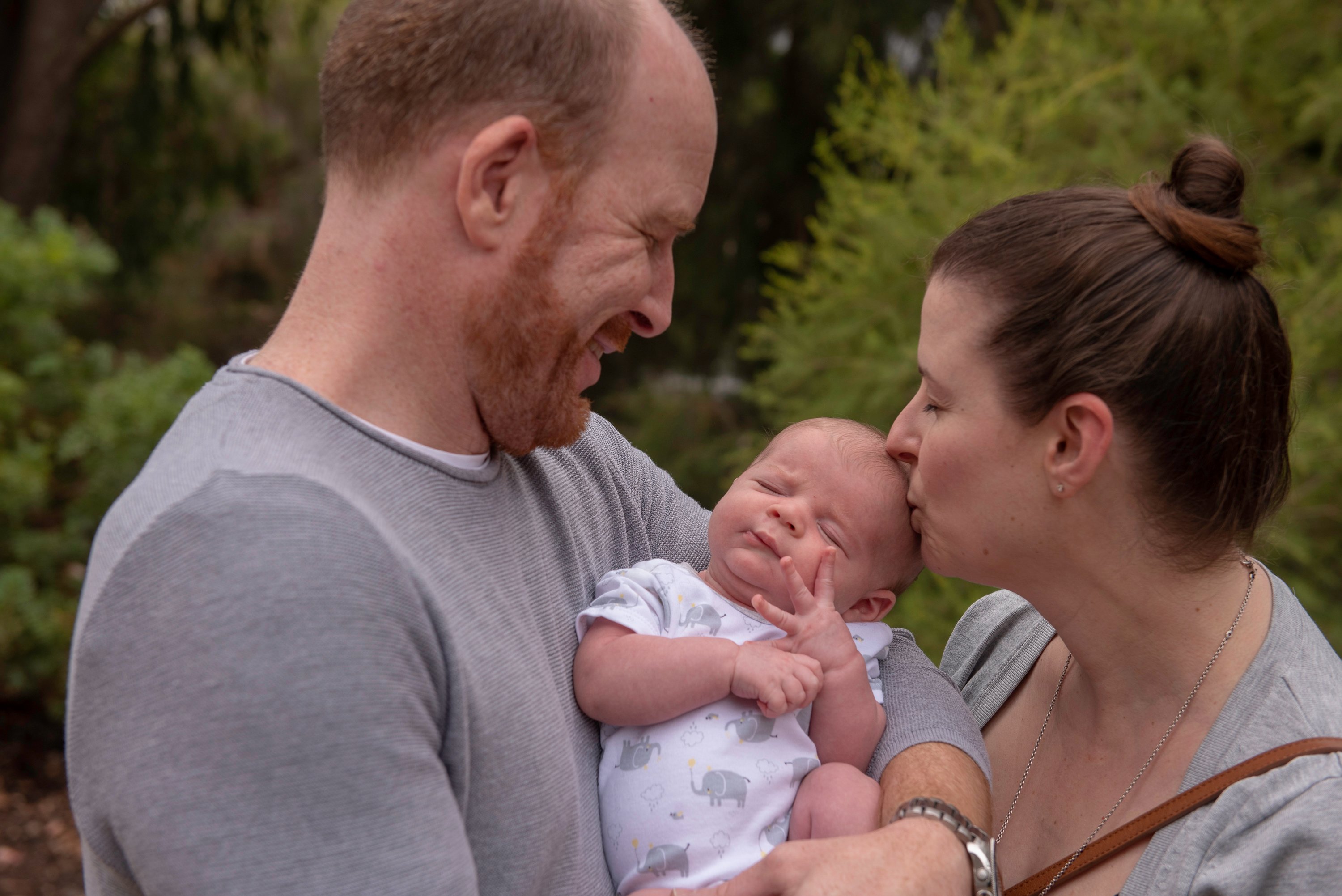
Engaging activities to help families keep kids happy and healthy during social isolation are available in an Australian app underpinned by the latest child development science.

Nutrition is important during the COVID-19 pandemic because it can provide both physical and mental health benefits.

With COVID-19 being a major issue this year, is it still important to have a flu vaccine? And why have school aged children been included for a free vaccine?