
Search
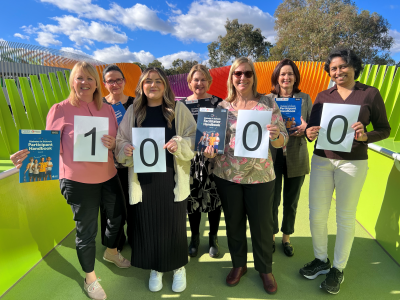
The Diabetes in Schools team at the Perth Children’s Hospital have just reached a huge milestone – 1000 school visits!

Steering Committee Member Is your child currently using the Diabetes Service at PCH? Are you interested in better use of diabetes data to improve

Clinic update for regional and rural patients
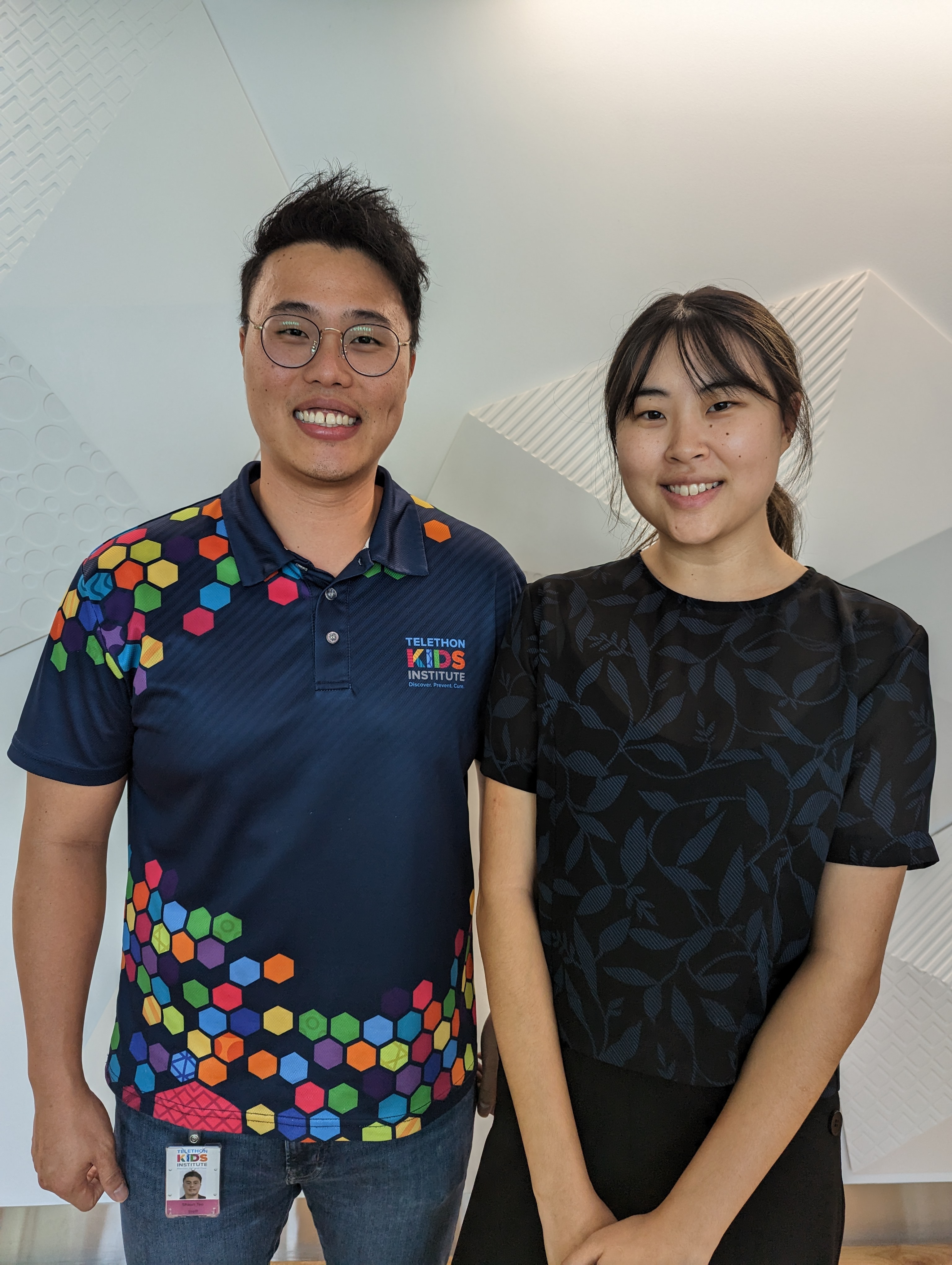
A big congratulations to our The Kids and UWA researchers Dr Shaun Teo and Dr Paul Fournier who have both been awarded $70,000 grants for their diabetes research projects, under the 2023 Diabetes Australia Research Program (DARP).
The Rio Tinto Children’s Diabetes Centre; A JDRF Global Centre of Excellence (the Centre), announces inaugural Honours Scholarships for students dedicated to type 1 diabetes research.

We know that caring for a child with type 1 diabetes (T1D) can be incredibly challenging. We also know that caregivers of children with T1D experience high levels of distress and anxiety. We are looking to better understand what this experience is like for caregivers so that we can identify
Did you know that 9 out of 10 children diagnosed with type 1 diabetes have no family history of the condition?
We have been advised by the Department of Infectious Diseases at Perth Children's Hospital and the Wesfarmers Centre of Vaccines and Infectious Diseases at The Kids Research Institute Australia that COVID-19 vaccinations are now available for young children aged 6 months to 4 years with type 1 diabetes.
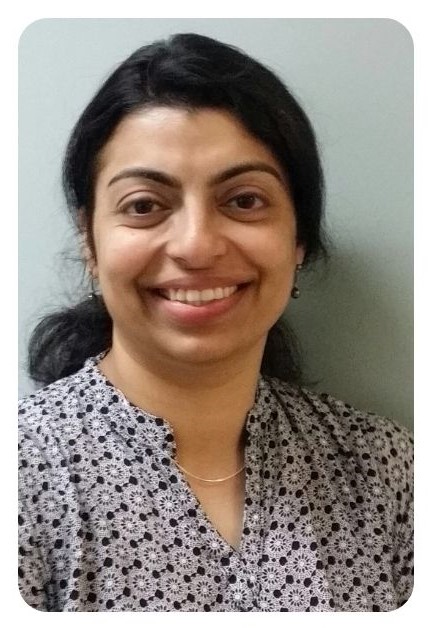
Congratulations to Dr Mary Abraham from the Rio Tinto Children's Diabetes Centre and Perth Children's Hospital, who has been awarded the prestigious Australian Diabetes Society (ADS) Lindsey Baudinet Rising Star Award in T1D Research.
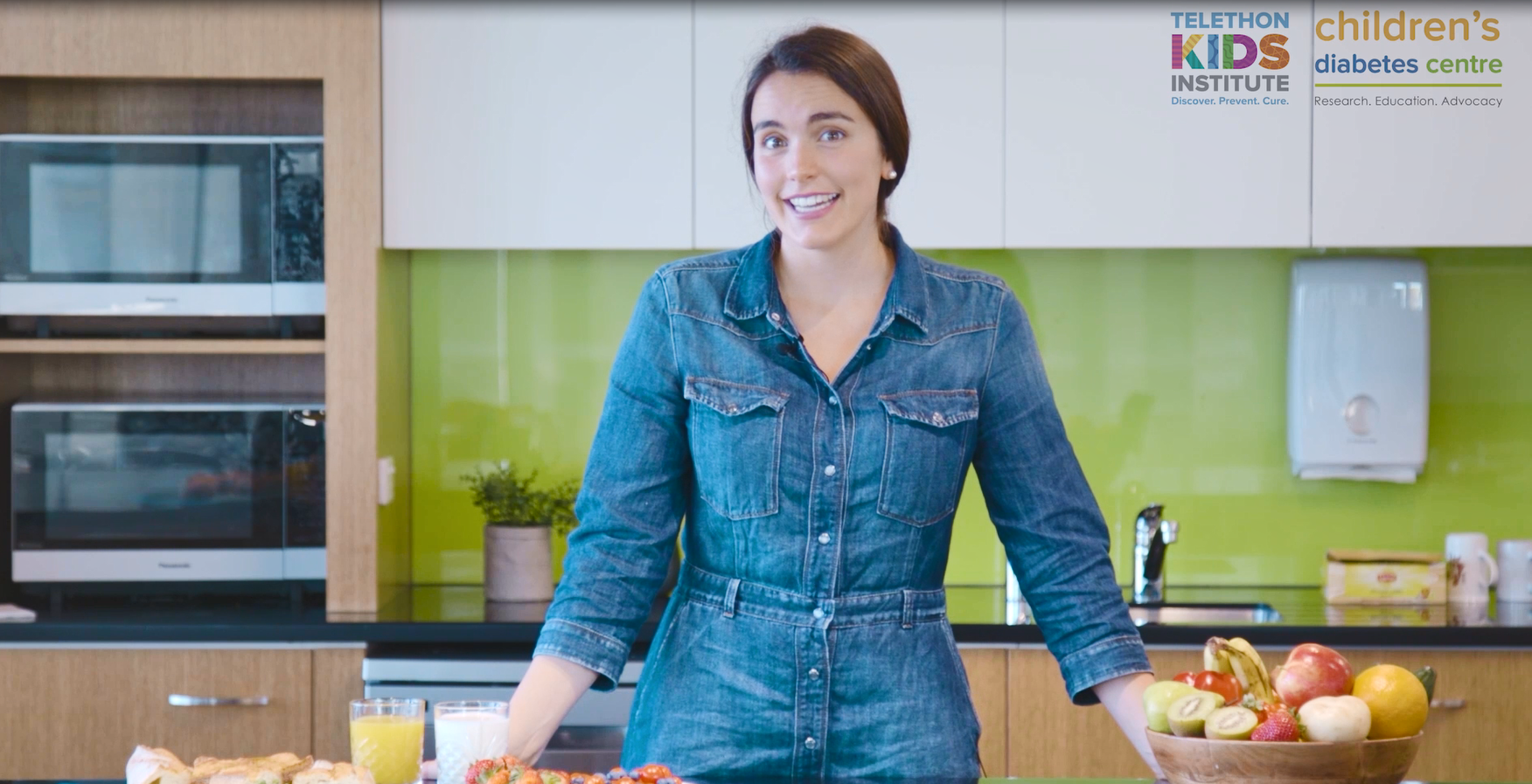
Would you like to help teach others with diabetes? The team at the Rio Tinto Children’s Diabetes Centre are creating nutrition education videos for children and their parents living with type 1 diabetes.