
Search
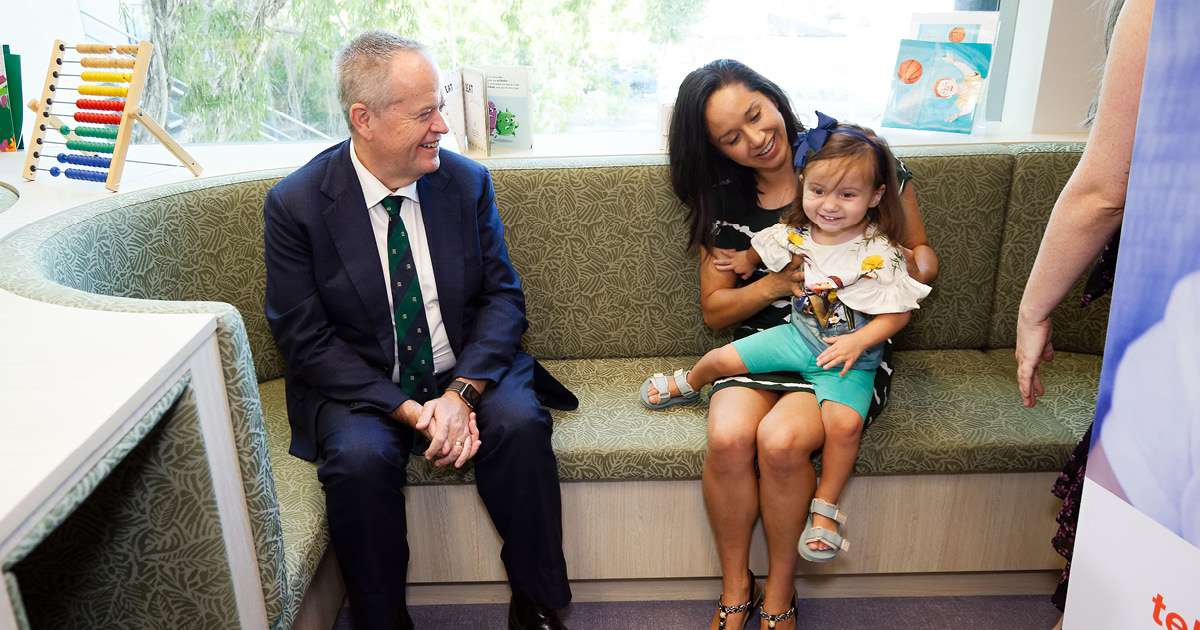
A world-first program for babies with differences in their social and communication skills is aiming to help parents and caregivers better understand the different ways their child communicates.
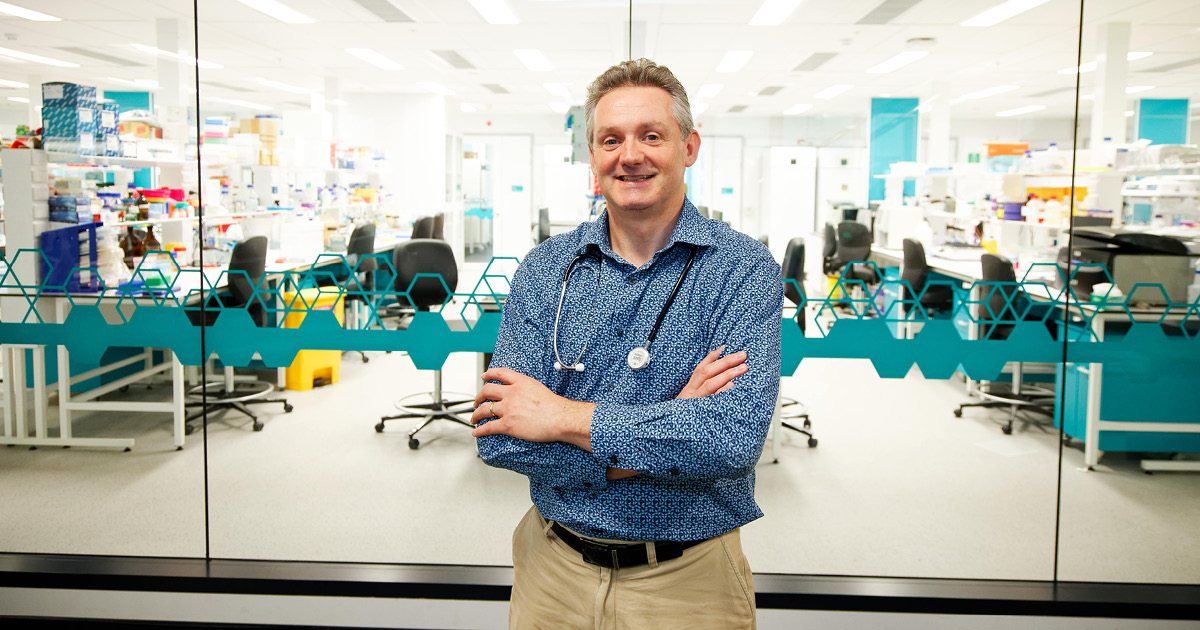
Australian children diagnosed with a brain tumour now have a better chance of accessing the best treatment for their disease thanks to a trans-Tasman collaboration spearheaded by The Kids Research Institute Australia cancer researcher Professor Nick Gottardo.
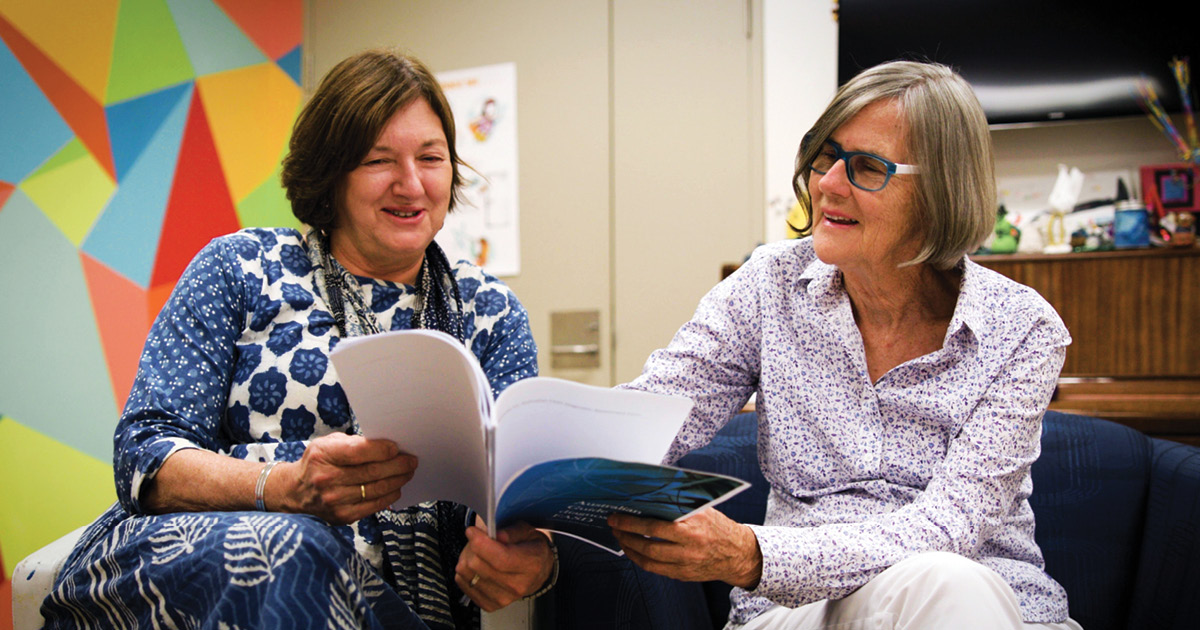
A website providing the latest research and resources on Fetal Alcohol Spectrum Disorder (FASD) is helping parents, educators, health professionals and policy makers navigate the complexities of the neurodevelopmental impairment condition.
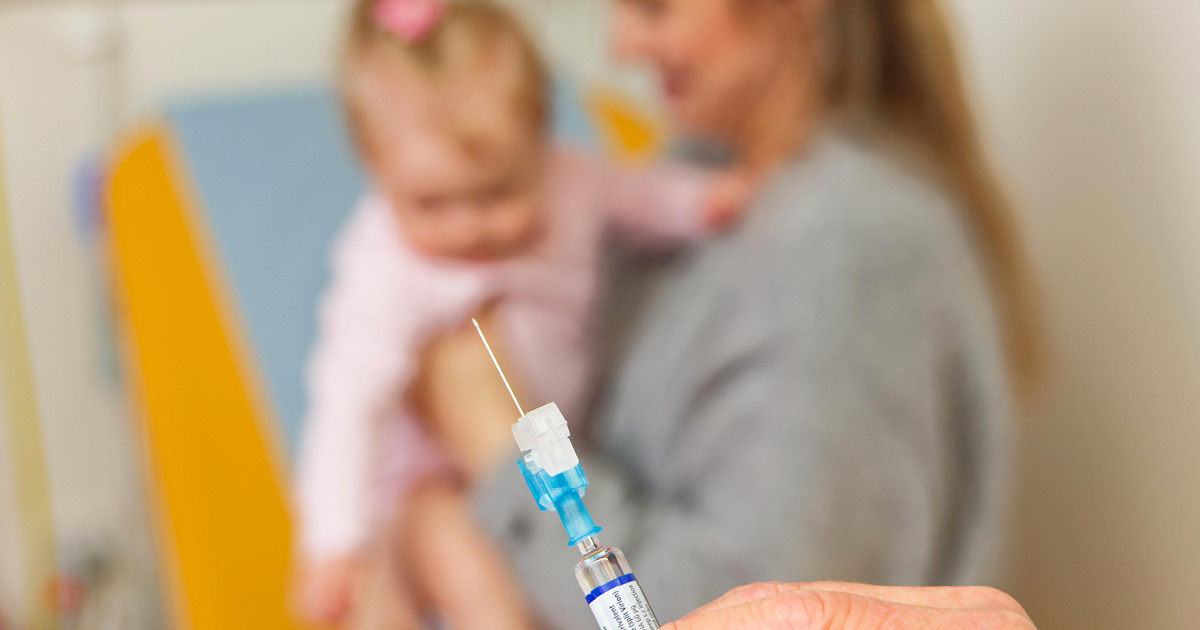
As a leading research site in Australia, the Wesfarmers Centre of Vaccines and Infectious Diseases played an instrumental role in the global effort to develop a world-first RSV immunisation for young babies.

Most laboratory equipment at The Kids Research Institute Australia is owned and maintained by the Institute, in order to make this available for use by all staff and students.

Toddlers exposed to screen time at home are hearing fewer words and making fewer vocalisations, findings from the first longitudinal study to measure the relationship between family screen use and children’s language development have shown.

Prevention of respiratory syncytial virus (RSV) is now a real possibility thanks to the rollout of an immunisation program backed by a decade’s worth of epidemiological research led by The Kids Research Institute Australia.

A Kimberley study seeking to better understand Strep A in remote settings is helping to guide new approaches to prevent acute rheumatic fever (ARF) – an auto-immune response that typically begins with a sore throat and causes high fever, tiredness and swollen joints.
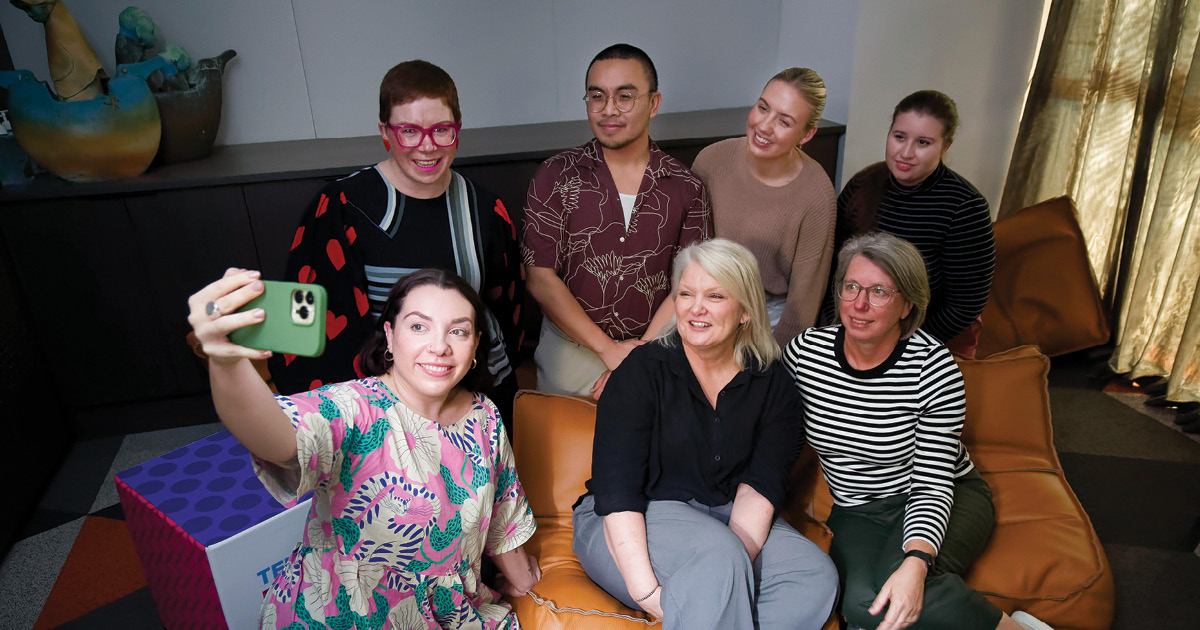
Early career researchers across The Kids Research Institute Australia have come together in a serendipitous project that is laying the groundwork for a more informed discussion of the impact of social media on kids and young people.

Healthy skin is a vital factor in the fight against life-threatening conditions like sepsis, heart disease and kidney disease, all of which can be caused by the bacteria Strep A.