
Search
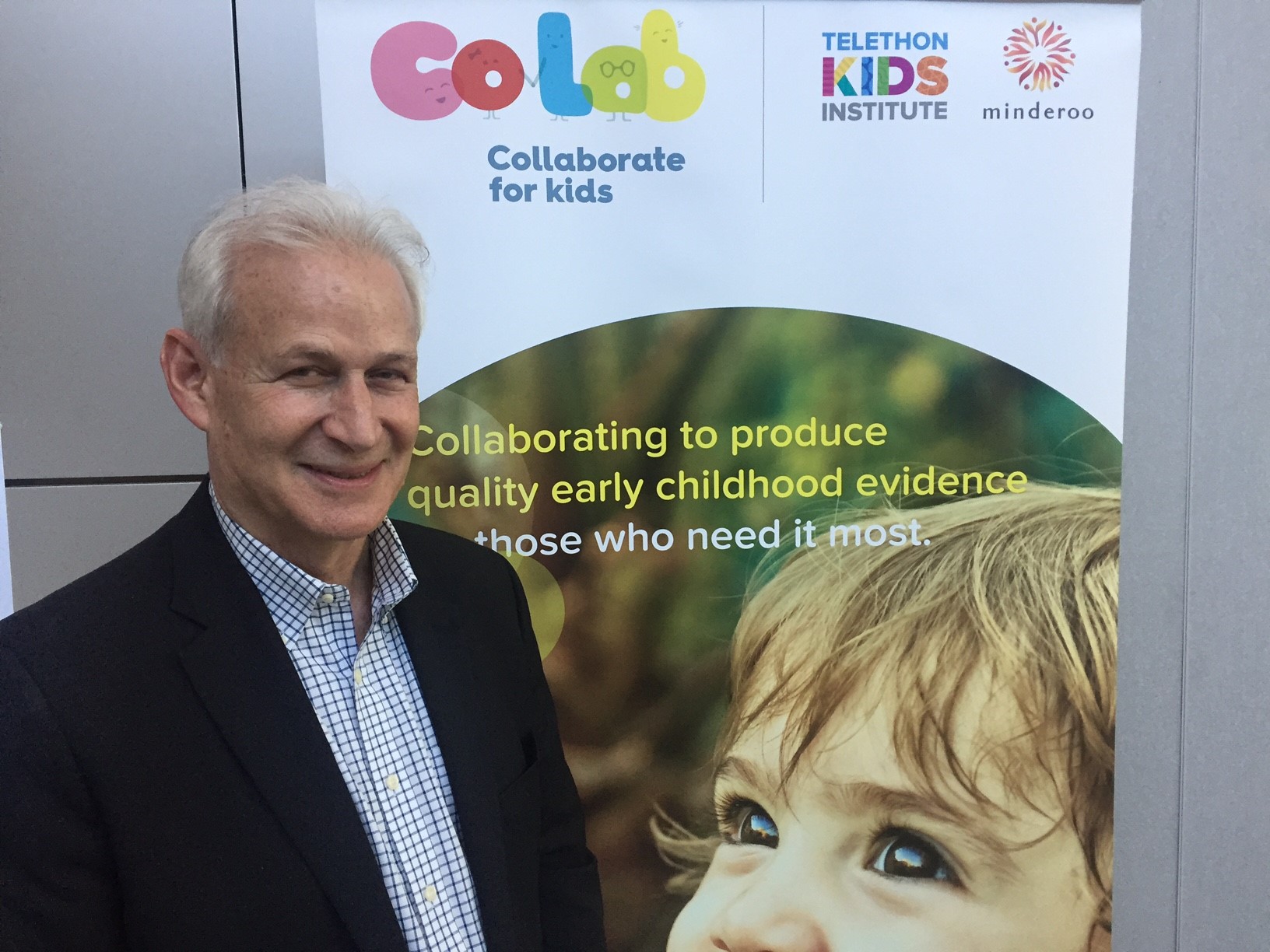
Dr Jack Shonkoff, from Harvard University is visiting Perth this week as a guest of CoLab, Goodstart Early Learning and Child Australia.
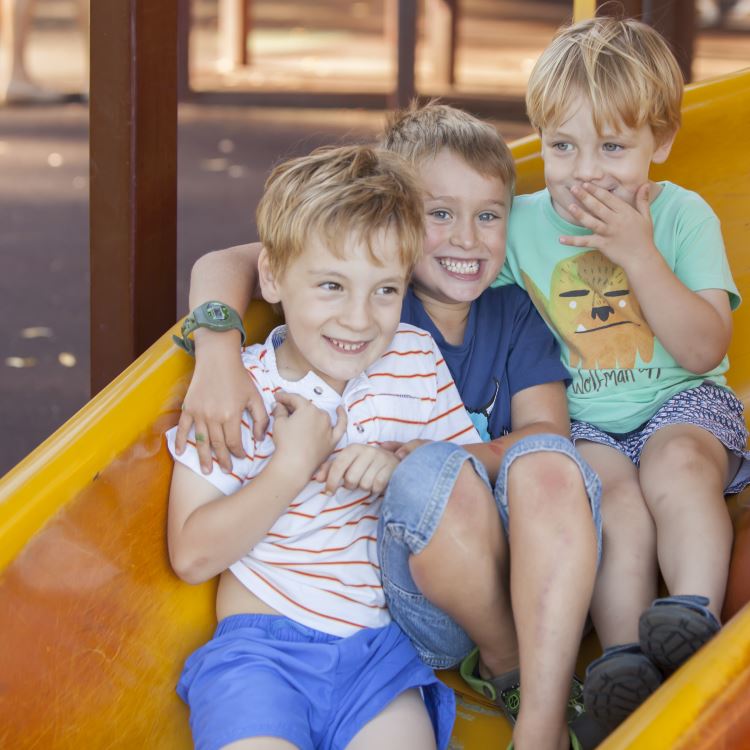
New research by The Kids Research Institute Australia has found children who attend playgroups achieve better early primary school outcomes.
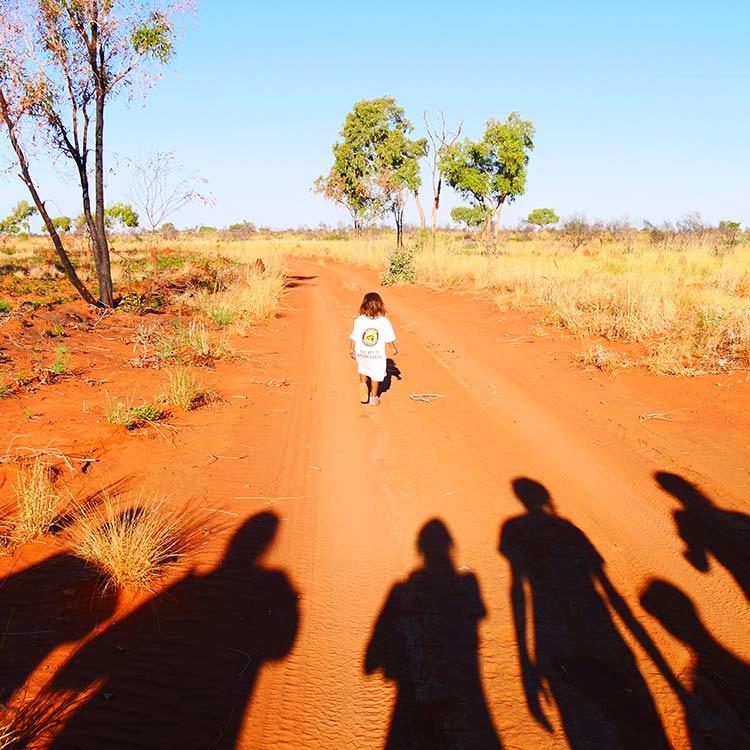
The Kids has recruited Dr Timothy Barnett to embark on a Fellowship to help close gaps in health outcomes between Indigenous and non-indigenous kids
Hear from CoLab Director Professor Donna Cross as we provide an overview of the early childhood landscape and launch the CoLab Strategic Framework.
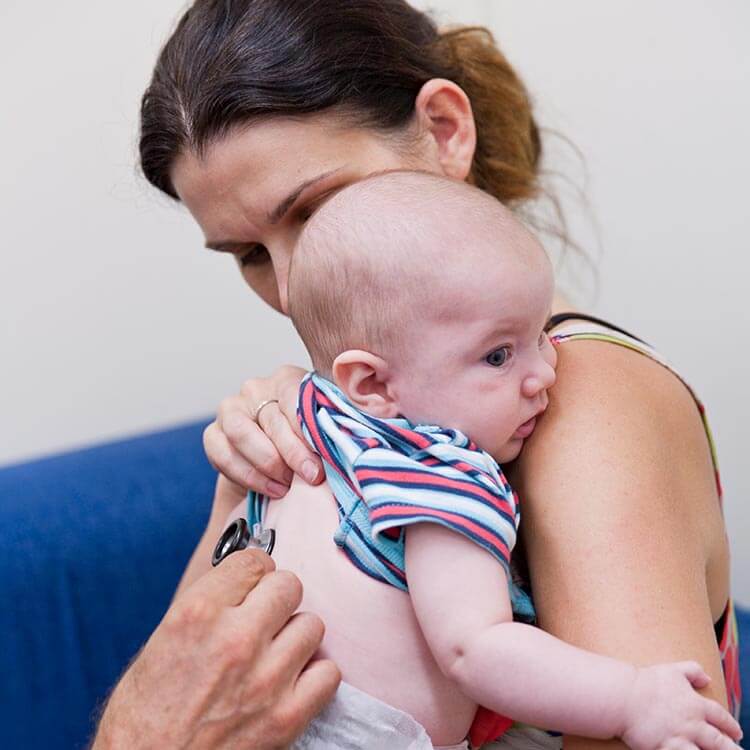
A groundbreaking WA trial, published in The Lancet, has determined that a laryngeal mask for babies is preferred over endotracheal tube during minor surgeries
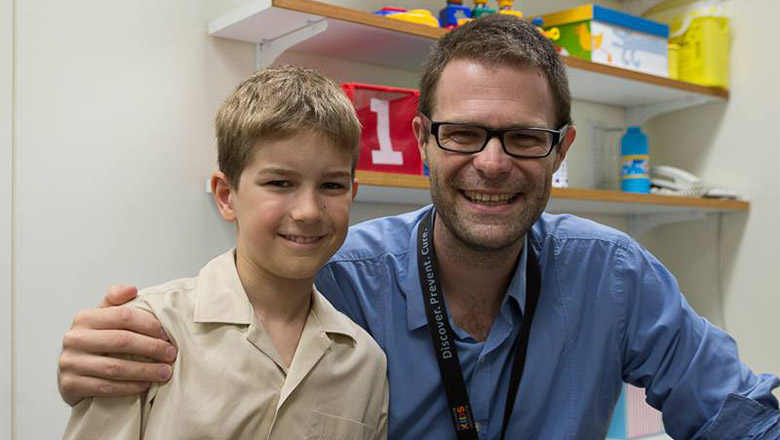
Ten year old Scott has been walking for Telethon since he was four years old and he's now raised a massive $100 thousand for Telethon.
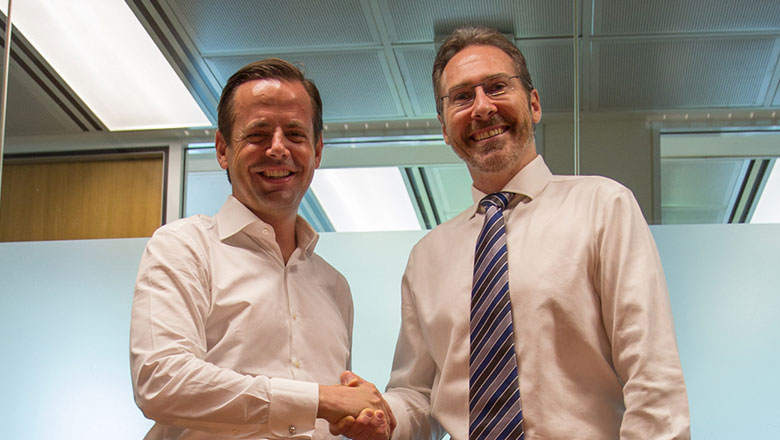
The Kids Research Institute Australia has signed a three-year extendable strategic supply partnership with leading asset finance and leasing solutions provider Alleasing.
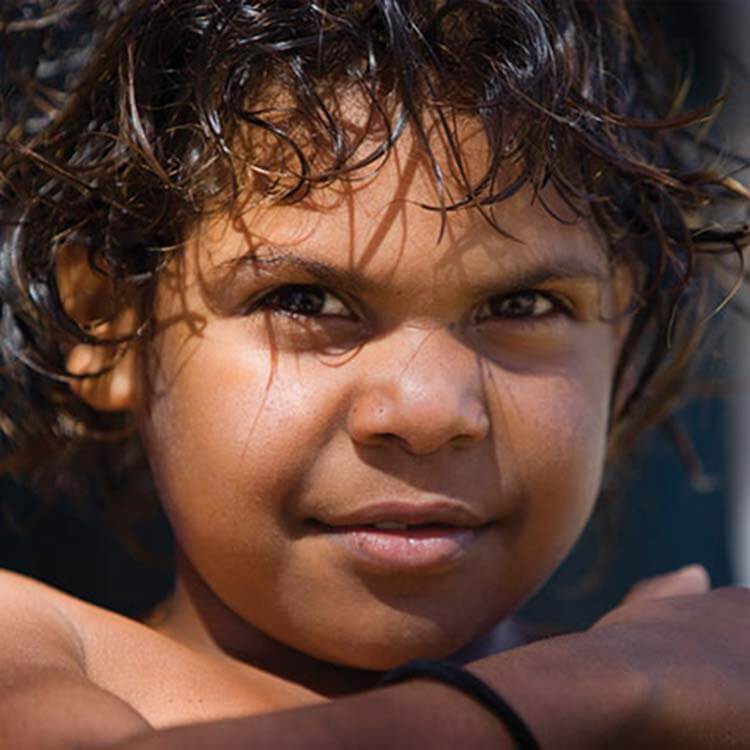
Thanks to a $1 million funding grant, Dr Asha Bowen from The Kids Research Institute Australia is on track to change Aboriginal children's skin infection statistics.
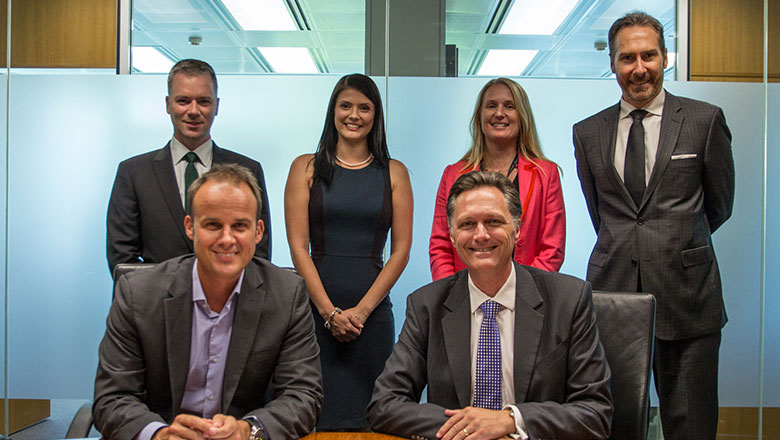
Staples has been appointed as The Kids Research Institute Australia's exclusive supply partner for stationery and workplace supplies, ICT equipment and print services.
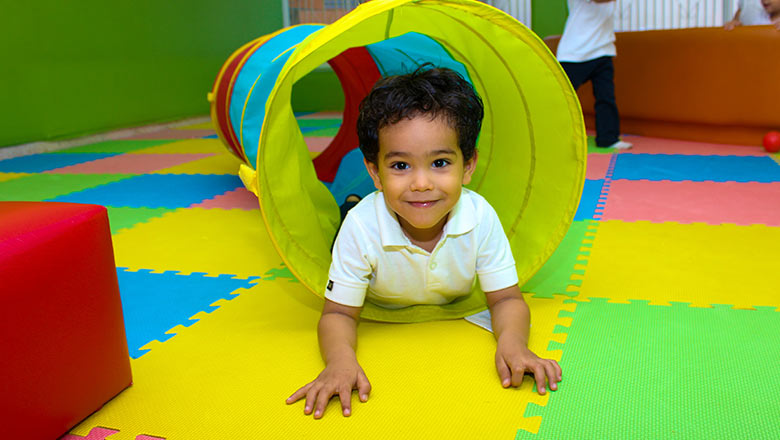
National Playgroup Week, the annual event run by Playgroup Australia, will take place across the country from 20 March to 27 March.