
Search
Children with chronic medical diseases are at an unacceptable risk of hospitalisation and death from influenza and SARS-CoV-2 infections. Over the past two decades, behavioural scientists have learnt how to design non-coercive 'nudge' interventions to encourage positive health behaviours. Our study aims to evaluate the impact of multicomponent nudge interventions on the uptake of COVID-19 and influenza vaccines in medically at-risk children.
Chris Valerie Brennan-Jones Swift PhD Head, Ear and Hearing Health Aboriginal Co-Director, Djaalinj Waakinj Centre for Ear and Hearing Health;
Nick Gottardo MBChB FRACP PhD Co-Head, Brain Tumour Research team; Head of Oncology and Haematology, Perth Children’s Hospital nicholas.gottardo@
To investigate associations between interpregnancy intervals (IPIs) and adverse birth outcomes in twin pregnancies.
Outdoor play in the home yard is an important source of physical activity for many preschoolers. This study investigated if home yard size and vegetation are related to preschooler outdoor play time.
Multimodal modeling that combines biological and clinical data shows promise in predicting transition to psychosis in individuals who are at ultra-high risk. Individuals who transition to psychosis are known to have deficits at baseline in cognitive function and reductions in gray matter volume in multiple brain regions identified by magnetic resonance imaging.
This study investigated the potential of using SARS-CoV-2 viral concentrations in dust as an additional surveillance tool for early detection and monitoring of COVID-19 transmission. Dust samples were collected from 8 public locations in 16 districts of Bangkok, Thailand, from June to August 2021.

The MINERvA Network will allow more accurate and precise determination of the contributions of familial and environmental factors to the etiology of autism.
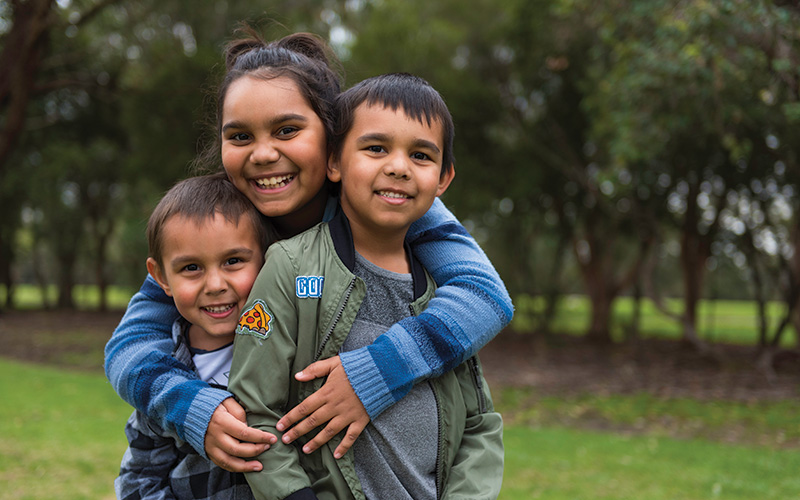
The Institute's Standards for the Conduct of Aboriginal Health Research outline our ways of working with Aboriginal communities and peoples.
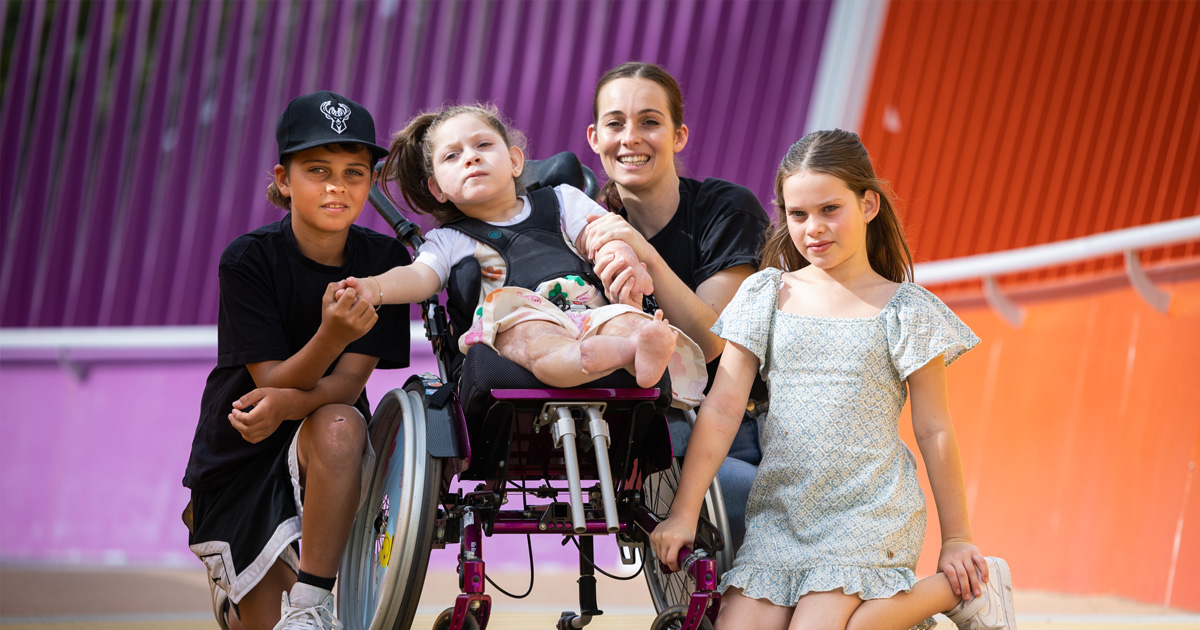
At just six months old, Tahlea Dalgety was flown from Geraldton to Perth with a slim chance of survival after contracting meningococcal disease.